Have you noticed that your mother is walking more slowly than she used to? Maybe your father now holds onto furniture when moving around the house, avoids the stairs, or goes out less often. Perhaps he has also started to worry about falling or needs your help getting from one place to another.
These changes can be some of the first signs of mobility issues in older adults. They do not necessarily mean that your loved one needs to move immediately. Rather, they may indicate that their needs are changing. When getting around requires more effort, everyday activities can become increasingly difficult, gradually affecting independence and quality of life.
Here are the main signs of mobility problems in seniors to watch for, practical solutions that can help at home, and situations where an adapted senior living environment could make everyday life easier and safer.
What Are the Signs That Mobility Issues Are Affecting an Older Adult's Independence?
Mobility decline often develops gradually. At first, the changes may be subtle and easily dismissed as a normal part of aging. However, certain changes in your loved one's daily routine are worth paying attention to.
Their Walking Becomes Slower or Less Steady
Has your loved one started walking more slowly than before? Do they seem less confident on their feet or take longer to cover distances they once managed easily?
A slower walking pace, difficulty turning, or needing to concentrate more carefully when changing direction can be early signs of mobility issues in seniors.
They Have Difficulty Going Up or Down Stairs
Stairs can quickly become challenging when muscle strength or balance declines.
If your loved one avoids certain areas of the house, regularly asks for help with just a few steps, or grips the handrail tightly, this may be a strong indication that some everyday movements are no longer as safe or comfortable as they once were.
They Need to Hold Onto Things While Walking
Holding onto walls, furniture, countertops, or another person's arm may seem harmless, but it can reveal an increasing need for stability.
Pay attention to whether your loved one has started using objects around the home as improvised support while walking.
They Experience Unusual Fatigue When Moving Around
An older adult who becomes tired quickly while walking may gradually reduce their activity to avoid discomfort.
They may spend more time sitting, go out less often, or ask family members to take care of errands such as grocery shopping.
Over time, this reduction in physical activity can contribute to further mobility decline in older adults.
They Are Going Out Less and Giving Up Activities
Sometimes the first noticeable change is behavioral rather than physical.
Your loved one may stop accepting invitations, go out less often, or give up hobbies and activities they once enjoyed.
They may simply feel that getting around has become too difficult, tiring, or unpredictable.
They Have Falls or Near-Falls
A fall is an important warning sign, but you should not necessarily wait for an actual accident before taking action.
Loss of balance, stumbling, missteps, or moments when your loved one suddenly has to grab onto something for support can already indicate that their mobility is becoming less safe.
They Are Afraid of Falling
A fear of falling can actually make mobility problems worse.
When an older adult limits their movement because they are afraid of falling, they become less physically active. Over time, reduced activity can contribute to muscle weakness and poorer balance, potentially making everyday movement even more difficult.
Why Do Mobility Problems Develop in Older Adults?
Mobility issues in seniors can have many different causes. They do not automatically indicate a serious illness.
Natural Aging and Muscle Loss
As people age, muscle mass and strength can gradually decrease. Everyday physical tasks may therefore require more effort than they did in the past.
Joint Pain and Balance Problems
Osteoarthritis, stiffness, pain, or inner-ear disorders can affect balance and make walking uncomfortable or difficult.
Changes in Vision or Alertness
Declining vision or the side effects of certain medications can affect a person's ability to identify obstacles, coordinate their movements, or maintain their balance.
The Effects of Inactivity
After an illness, hospitalization, or injury, an older adult may become much less physically active.
Muscle strength can decline quickly during periods of inactivity, which may result in hesitation or reduced confidence when walking.
An Unsafe Home Environment
The home itself can sometimes make mobility for seniors more difficult.
Poor lighting, cluttered hallways, loose rugs, slippery surfaces, and other household hazards can increase the difficulty and risk associated with everyday movement.
How Can Mobility Problems Affect Independence?
Mobility is closely connected to independence.
When it becomes difficult to move around safely, the impact can spread to many areas of everyday life:
- Reduced stability
- More difficulty with everyday activities
- Fewer outings, errands, and appointments
- Reduced social activities and hobbies
- Progressive isolation and increased dependence on family members
If your parent no longer feels comfortable driving or walking to the bus stop, they may become dependent on others for medications, groceries, or appointments.

If they are afraid of falling in a shopping center, they may simply stop going out.
Over time, reduced mobility can affect emotional well-being, social connections, and the ability to remain safely independent at home.
How Can You Help an Older Adult With Mobility Issues?
Before considering a major change in living arrangements, several adjustments can help your loved one remain active and preserve as much independence as possible.
Encourage Safe Movement
Try not to do everything for your loved one if they are still able to complete certain activities safely.
The goal is to maintain appropriate levels of movement and physical activity rather than unnecessarily replacing activities they can still perform independently.
Maintain Appropriate Physical Activity
Gentle exercises adapted to an older adult's abilities can help maintain strength, balance, flexibility, and confidence.
Activities such as chair yoga, physiotherapy, or short accompanied walks can be incorporated into a daily routine.
Make Everyday Tasks Easier
Reorganize the home so frequently used objects are within easy reach.
Keep commonly used kitchen items at chest or waist level, avoid the need for step stools, and organize the main living areas to reduce unnecessary trips back and forth.
Use the Right Mobility Aid
A cane or walker can provide significant support and help an older adult remain independent.
However, it is important to consult an appropriate healthcare professional, such as an occupational therapist or physical therapist, to ensure that the mobility aid is properly fitted and used safely.
Make the Home Safer
Simple home modifications can significantly improve safety:
- Improve lighting in hallways and stairways.
- Keep walkways clear and remove unsecured rugs.
- Install grab bars in the bathroom and along stairs.
- Use non-slip surfaces in the shower or bathtub.
- Keep frequently used items within easy reach.
- Reduce clutter and other tripping hazards.
When Should You Ask for Help?
It is important to recognize when managing your loved one's mobility has become more than the family can reasonably handle.
You can think about the situation in stages:
- Occasional difficulty: Temporary fatigue or minor changes may call for observation and small adjustments to the daily routine.
- Recurring mobility problems: Fear of stairs, instability, or increasing difficulty walking may warrant home modifications and an assessment by a healthcare professional.
- Several daily activities are affected: Difficulties with meals, housekeeping, errands, or outings may indicate a need for a broader assessment of support services.
- Safety is compromised: Frequent falls, serious balance problems, or an inability to get up independently may require a higher level of supervision and support.
When Should You Consider an Assisted Living or Senior Living Community?
Considering a senior living community does not necessarily mean giving up independence.
In many cases, moving to an environment designed around accessibility and safety can help an older adult maintain their independence for longer.
When Several Everyday Activities Become Difficult
If walking around the home to prepare meals, clean, collect the mail, or complete basic household tasks requires a disproportionate amount of effort, the current home may no longer meet your loved one's needs.
When Safety at Home Becomes a Concern
If the risk of falling remains high despite home modifications, or if your loved one is increasingly worried about being alone during an emergency, safety should become a priority.
When the Family Caregiver Can No Longer Provide Enough Support
Family support is invaluable, but being responsible for every movement, outing, or daily task can quickly become overwhelming.
When helping your loved one evolves into constant monitoring, the risk of caregiver burnout becomes very real.
When Social Isolation Becomes a Concern
If your loved one rarely leaves home because outdoor stairs, transportation, or mobility challenges have become obstacles, moving to a more accessible and socially active senior living environment can help restore opportunities for social interaction.
For older adults in Quebec, a private seniors' residence (RPA) can offer an environment where accessibility, services, activities, and social opportunities are integrated into everyday life.
When the Person Wants to Remain Independent in a Safer Environment
Many older adults recognize that maintaining a house has become physically demanding and prefer an environment where unnecessary physical obstacles are removed.
The right living environment can allow them to remain active while reducing the physical demands associated with maintaining a home.
How Can an Adapted Senior Living Environment Make Everyday Life Easier?
For an older adult with limited mobility, the main advantage of a senior living community is not simply access to care.
It is the overall accessibility of the environment.
An Accessible, Obstacle-Free Environment
Buildings designed for older adults may include elevators, wide hallways, accessible entrances, handrails, and automatic doors that make moving around easier and safer.
Easily Accessible Common Areas
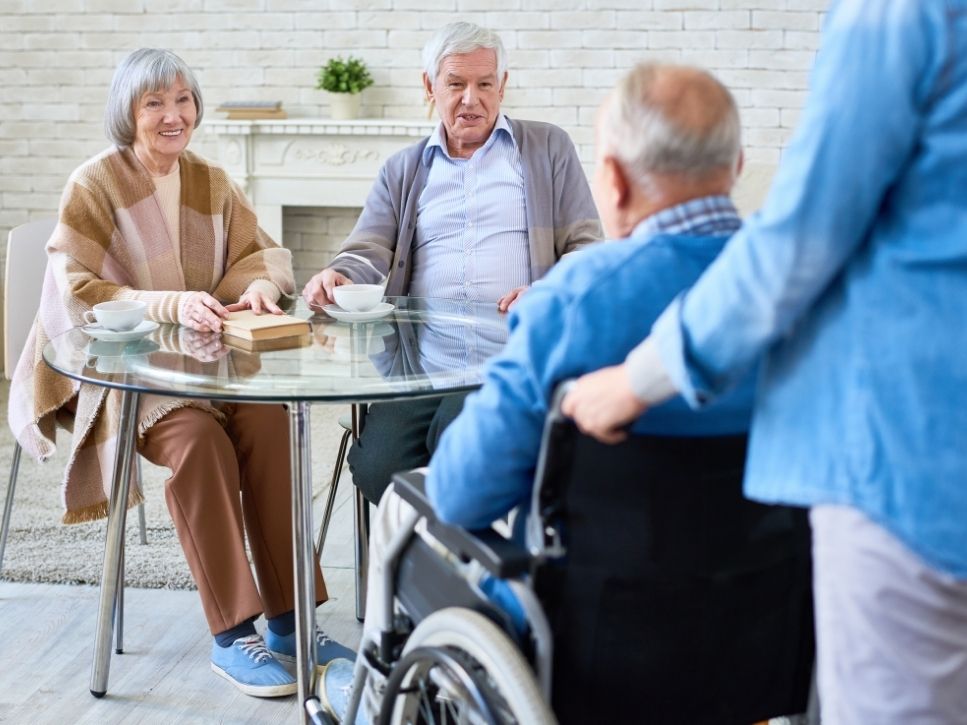
Dining rooms, activity rooms, lounges, outdoor areas, and other shared spaces can be designed to accommodate walkers and wheelchairs.
Integrated Services
On-site meals, housekeeping, laundry services, and other conveniences can eliminate physically demanding household tasks.
Social Activities and Adapted Exercise Programs
Recreational activities and gentle exercise programs designed for older adults can encourage residents to remain active and maintain their physical abilities.
A Reassuring Presence
Having staff available and emergency call systems within the residence can provide additional peace of mind for residents and their families.
How Do You Know Which Senior Living Environment Is Right for Your Loved One?
Every older adult has different needs, preferences, and abilities.
To make an informed decision, consider the following:
Assess Their Current and Future Level of Independence
Determine whether your loved one simply needs a more accessible environment or whether they require regular assistance with daily activities.
Identify the Services They Need
Consider meals, bathing assistance, housekeeping, laundry, nursing services, medication support, and other services that may become necessary.
Consider Their Personal Preferences
Think about the neighborhood they prefer, the size of the residence, the atmosphere, the type of apartment, available activities, and proximity to family and friends.
Consider the Available Budget
Take into account the monthly cost of the residence as well as any applicable tax credits or government programs.
For Quebec families, this may include the tax credit for home-support services for seniors, depending on the person's situation and eligibility.
Compare Available Senior Living Options
Take the time to compare certified private seniors' residences and other senior living options available in the desired area.
This is precisely the type of process in which the senior housing specialists at Bonjour Résidences can provide free assistance.
Other Signs of Loss of Independence to Watch For
Mobility problems rarely occur in isolation.
As you observe your loved one in their daily life, you may notice other changes that affect their independence:
- An Older Adult Living Alone: When Does the Situation Become Dangerous? : Learn about warning signs that indicate overall safety at home may be compromised.
- What to Do When an Elderly Person Refuses to Shower : Fear of slipping in the bathtub can sometimes be associated with balance and mobility difficulties.
- An Older Adult Who Can No Longer Get Dressed Alone : Limited flexibility, strength, or balance can make dressing increasingly difficult.
- An Older Adult Who No Longer Eats or Forgets to Eat : Difficulty shopping for groceries or preparing meals can contribute to inadequate nutrition.
Maintaining Independence Despite Mobility Issues
Hesitating before taking a step, walking more slowly, or going out less often may seem like minor changes.
However, when these limitations begin to accumulate, they can have a significant impact on an older adult's independence, social life, safety, and quality of life.
The good news is that mobility problems do not necessarily mean the end of independence.
Whether the solution involves adapting the current home or choosing a senior living environment where physical barriers are reduced and services are integrated, there are options that can help your loved one remain active, safe, and independent.
Are you wondering which option would be best for your loved one's situation?
The senior housing specialists at Bonjour Résidences can guide you through the process, answer your questions, and help you find senior living options that match your loved one's needs.
To explore available senior living options in your area and receive personalized guidance throughout Quebec, contact us free of charge at 1 (844) 918-1020 or submit an online accommodation request.
FAQ About Mobility Problems in Older Adults
Why Do Older Adults Lose Mobility?
Mobility problems in older adults can have several causes, including natural muscle loss, joint pain and osteoarthritis, balance problems, vision changes, medication side effects, and periods of inactivity following an illness or injury.
What Are the First Signs of Mobility Problems in Seniors?
Early signs can include slower walking, holding onto walls or furniture, hesitation on stairs, becoming tired quickly while walking, having difficulty getting up from a chair, and becoming reluctant to leave the house.
When Should You Be Concerned About an Older Adult Having Difficulty Walking?
A sudden decline in mobility, repeated falls, significant balance problems, or an inability to perform basic activities such as getting to the bathroom or kitchen should be evaluated promptly by an appropriate healthcare professional.
How Can Falls Be Prevented in Older Adults?
Fall prevention can include removing hazards from walkways, improving lighting, installing grab bars, wearing appropriate non-slip footwear, and maintaining physical activity adapted to the person's abilities.
Can an Older Adult With Limited Mobility Remain Independent?
Yes. With appropriate mobility aids such as a cane or walker, home modifications, suitable physical activity, and an accessible living environment, many older adults with limited mobility can maintain a significant level of independence.
When Should You Consider a Senior Living Community for Someone With Mobility Problems?
A senior living community may be an excellent option when stairs or the layout of the current home create safety concerns, when outings become increasingly difficult, when daily activities require too much physical effort, or when the amount of support required from family members becomes difficult to sustain.