Have you noticed that your mother sometimes forgets to take her medications? Maybe your father is no longer eating as well as he used to, has started neglecting household tasks, or barely leaves the house anymore. You may also have begun worrying about his safety when he is alone between your visits.
For many older adults, living alone at home can remain an excellent option as long as their health and environment allow them to live safely and independently. However, needs can change over time.
An occasional forgotten medication or missed household task does not necessarily mean that your loved one needs to move. But when several difficulties begin to appear at the same time, their safety and independence can quickly become compromised.
Here are the main warning signs to watch for, practical ways to improve senior safety at home, and situations in which an adapted senior living environment may provide greater safety and peace of mind.
What Are the Signs That an Older Adult Can No Longer Live Alone Safely?
There is no specific age at which a person should stop living alone. The more important question is whether your parent can still manage essential daily activities without putting their health or safety at risk.
From managing medications to preparing meals and maintaining the home, here are some important warning signs families should watch for.
They Have Difficulty Managing Their Medications
Managing several medications every day can quickly become complicated.
If your parent regularly forgets doses, accidentally takes medication twice, or no longer remembers what their medications are for, their health may be at risk.
A pill organizer or medication reminders may help initially, but repeated medication errors can indicate that your loved one needs more consistent support.
They Leave Potentially Dangerous Appliances Unattended
The risk of household accidents can increase when memory or concentration begins to decline.
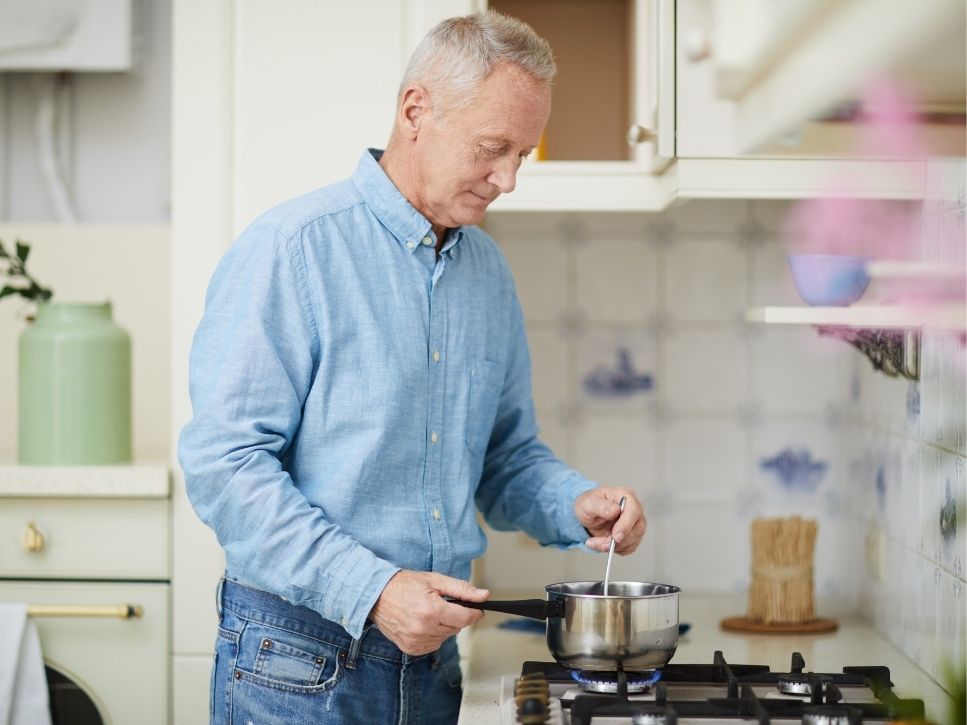
Have you noticed forgotten burners, burnt pots on the stove, or exterior doors left unlocked at night?
These seemingly small incidents can create serious senior safety risks at home, particularly when your loved one is living alone.
They Fall or Have Increasing Balance Problems
A fall is a major warning sign, but you do not necessarily need to wait for an accident to happen.
If your loved one regularly loses their balance, grabs onto furniture while walking, hesitates on the stairs, or expresses a fear of falling, their mobility may already be compromised.
Fear of falling can also lead older adults to move less, which can contribute to muscle loss and further reduce their mobility.
Their Eating Habits Are Getting Worse
Nutrition is closely connected to independence.
Does your loved one forget to eat? Is the refrigerator nearly empty or filled with expired food? Has grocery shopping or preparing meals become increasingly difficult?
Shopping, carrying grocery bags, and cooking require both physical and mental energy. These activities can become overwhelming as an older adult's independence declines.
Unexplained weight loss or a very limited diet should be taken seriously.
They Are Neglecting Personal Hygiene or Household Tasks
A noticeable change in personal appearance can be an important warning sign.
Wearing the same clothes for several days, avoiding showers because of a fear of falling, allowing dishes to pile up, or leaving mail and household clutter unattended may indicate that everyday tasks have become too demanding.
This is not necessarily a matter of unwillingness. It may be a sign that your loved one no longer has the physical or cognitive energy required to manage the home independently.
They Are Becoming Increasingly Isolated
If your parent turns down invitations, stops participating in activities, or rarely leaves the house because getting around has become difficult, social isolation can quickly develop.
Reduced social interaction can have a significant impact on emotional well-being and may contribute to a broader decline in independence.
Why Does Living Alone Become More Difficult With Age?
The loss of independence usually happens gradually rather than all at once.
What begins as mild fatigue or a small mobility problem can create a domino effect throughout everyday life.
Aging and Reduced Energy
Physical and cognitive abilities can change with age, making household management increasingly demanding.
Tasks that once required very little effort may eventually become exhausting.
Physical Obstacles Around the Home
Stairs, high bathtubs, slippery floors, poor lighting, and other environmental hazards can become increasingly difficult to navigate.
A home that was perfectly suitable for your parent years ago may no longer be designed around their current abilities.
The Demands of Everyday Routines
Grocery shopping, preparing three meals a day, cleaning the home, doing laundry, managing appointments, and maintaining a household can consume much of an older adult's energy.
The Effects of an Illness or Medical Event
A severe illness, hospitalization, or injury can significantly reduce strength and confidence.
Even a relatively minor health event can make an older adult less confident about continuing to live alone.
What Are the Risks of Living Alone When the Home Is No Longer Suitable?
When an older adult continues aging in place in an environment that no longer meets their needs, several risks can increase for both the individual and their family.
These may include:
- Increased risk of falls and injuries without immediate assistance
- Malnutrition and dehydration
- Medication errors that can result in an emergency
- Social isolation, anxiety, and loneliness
- Declining physical and emotional well-being
- Increasing dependence on family members
- Caregiver stress and burnout
The issue is not necessarily that living alone is inherently dangerous. Rather, the question is whether the person's current level of independence is compatible with their environment and support system.
How Can You Help an Older Parent Who Lives Alone?
Before considering a move, several steps can help improve safety and determine whether your loved one can continue living independently.
Talk About the Situation With Empathy
Avoid presenting the conversation as a decision that has already been made.
Instead, share your observations and ask open-ended questions.
For example:
"I've noticed that grocery shopping seems to be tiring you out lately. How can I help?"
The goal is to understand what your parent is experiencing rather than immediately telling them what they should do.
Improve Home Safety
Simple home modifications for aging in place can reduce some risks.
Consider:
- Clearing walkways and removing unsecured rugs
- Installing grab bars in the bathroom
- Adding non-slip surfaces in the shower or bathtub
- Improving lighting in hallways and near stairs
- Keeping frequently used items within easy reach
- Using a medication organizer prepared or reviewed by a pharmacist
These changes can make the home safer, although they may not be enough if your loved one's needs continue to increase.
Organize Family Support
Family members can share responsibilities such as grocery shopping, preparing frozen meals, accompanying your parent to appointments, or checking in regularly.
A structured schedule can reduce the burden on one family member while providing your loved one with more consistent support.
Consider Home Care Services
A professional assessment can help determine whether your parent could benefit from additional services at home.
Depending on their needs, this could include personal assistance, meal delivery, housekeeping, or other forms of home support.
When Should You Ask for More Help?
Recognizing the progression of loss of independence in older adults can help families act before a serious incident occurs.
Occasional Difficulties
Minor forgetfulness or temporary fatigue may call for closer observation, more frequent visits, and small adjustments to the daily routine.
Recurring Difficulties
Repeated fear of falling, an empty refrigerator, neglected housekeeping, or difficulty managing everyday tasks may indicate that home modifications or additional support are needed.
Compromised Safety
Repeated falls, confusion about medications, leaving the stove on, wandering, or being unable to respond appropriately during an emergency are much more serious warning signs.
At this stage, a comprehensive assessment and consideration of a more supportive living environment may be appropriate.
When Should You Consider Senior Living for an Older Adult Living Alone?
Choosing a senior living community does not necessarily mean giving up independence.

In many situations, moving to an environment designed around accessibility, safety, services, and social interaction can actually help an older adult maintain their independence for longer.
When Everyday Tasks Become a Source of Stress
If preparing meals, doing dishes, cleaning, laundry, and maintaining the home require excessive effort, moving to a senior living environment can reduce the physical burden through integrated services.
When Home Safety Can No Longer Be Guaranteed
If you constantly worry that your loved one may have an accident while alone, an environment with staff presence and emergency response systems can provide additional peace of mind.
When the Family Caregiver Is Reaching Their Limits
Family support has natural limits.
If caring for your parent requires constant availability and begins affecting your own physical or emotional well-being, it may be time to consider additional professional support or a different living environment.
When Loneliness Is Affecting Their Quality of Life
A senior living community can provide opportunities for social interaction, organized activities, shared meals, and common spaces while still allowing residents to maintain privacy in their own apartment.
When Your Loved One Wants to Remain Independent in a Safer Environment
Many older adults eventually realize that maintaining a house has become physically demanding.
Choosing a residence with fewer physical obstacles and services adapted to their needs can allow them to remain independent while reducing the demands of everyday life.
How Can an Adapted Senior Living Environment Make Everyday Life Easier?
Certified private seniors' residences in Quebec can provide an environment designed around the needs of older adults.
An Accessible Environment
Accessible buildings may include elevators, spacious hallways, handrails, automatic doors, and other features that make getting around easier.
Nutritious Meals
Dining services can provide balanced meals without requiring residents to shop for groceries, carry heavy bags, or prepare every meal themselves.
Housekeeping and Laundry Services
Removing physically demanding household chores allows residents to conserve their energy for activities they enjoy.
Safety and Emergency Support
Emergency call systems and staff presence can provide an additional layer of security for residents and reassurance for family members.
Social Activities
Organized activities, outings, exercise programs, and common areas can help residents maintain social connections and avoid isolation.
How Do You Choose the Right Senior Living Community?
Finding the right environment requires looking at several important factors.
Determine the Level of Support Needed
Does your loved one simply need an accessible apartment with services, or do they require regular assistance with bathing, medications, meals, or other daily activities?
Consider the Location
Think about proximity to family members, their familiar neighborhood, healthcare services, and the places that matter most to them.
Consider the Budget and Available Financial Assistance
Look at the monthly cost as well as potential financial assistance and tax credits available to eligible seniors in Quebec.
Other Signs of Loss of Independence to Watch For
Difficulty living alone is often accompanied by other changes that families should learn to recognize:
- Mobility problems in older adults: Learn how to recognize declining mobility and adapt the environment.
- An older adult who no longer showers: Understand how fear of falling and reduced strength can affect personal hygiene.
- An older adult who can no longer get dressed independently: Recognize physical limitations that can affect everyday activities.
- An older adult who stops eating or forgets to eat: Learn how to identify the risk of malnutrition and declining independence.
Helping Your Parent Stay Safe and Independent
Living alone at home can be an appropriate and rewarding choice for many older adults. But safety and well-being should always come first.
When forgotten medications become frequent, nutrition declines, falls become more common, or household tasks are no longer manageable, living alone without adequate support may no longer be the safest option.
The good news is that there are solutions at every stage.
Additional home support andaging in place solutions may be enough for some older adults. For others, moving to a senior living environment with accessible spaces, prepared meals, housekeeping, social activities, and emergency support may provide a better balance between independence and safety.
Are you wondering whether your parent's current living situation still meets their needs?
The housing specialists at Bonjour Résidences can guide you through the process, assess your needs free of charge, and help you explore senior living options that may be appropriate for your family.
To explore available senior living communities in your area and receive personalized guidance throughout Quebec, call us toll-free at 1 (844) 918-1020 or submit an online senior accommodation request.
FAQ: Older Adults Living Alone
How Do You Know If an Older Adult Can Still Live Alone?
Consider whether your parent can safely manage essential daily activities, including eating properly, taking medications, maintaining personal hygiene, moving around the home, managing household tasks, and responding appropriately in an emergency.
What Are the Main Risks for an Older Adult Living Alone?
Common risks include falls, difficulty getting up after a fall, medication errors, household accidents, malnutrition, dehydration, social isolation, and being unable to obtain help during an emergency.
How Can You Tell a Parent They May No Longer Be Safe Living Alone?
Avoid confrontation or judgment. Talk about specific observations, ask open-ended questions, listen to your parent's concerns, and focus the conversation on maintaining their independence and quality of life rather than simply telling them they can no longer live alone.
Can an Older Adult Maintain Their Independence in a Senior Living Community?
Absolutely. By reducing physically demanding tasks such as housekeeping, cooking, laundry, and home maintenance, a senior living community can allow an older adult to focus their energy on the activities they enjoy in a safer environment.
When Should You Contact Bonjour Résidences About a Parent Living Alone?
Consider seeking guidance when family support is becoming difficult to maintain, social isolation is increasing, daily tasks are becoming challenging, or safety at home is becoming a concern. Bonjour Résidences offers free guidance to families looking for senior living options throughout Quebec.