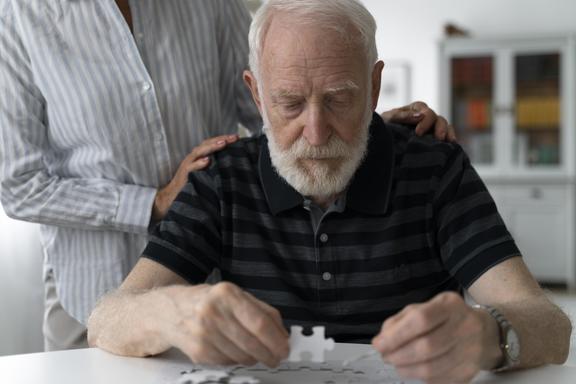
During your recent visits, you may have noticed that your mother leaves her plate almost untouched, or that your father claims he has already eaten dinner even though the pre-prepared meals are still sitting in the refrigerator. When an elderly person stops eating or forgets to eat, it is completely natural to feel concerned.
It is generally important to distinguish between two different situations: an elderly person not eating much due to a loss of appetite, discomfort, or an underlying health issue versus an elderly person who forgets to eat or struggles to organize their daily routine. In both cases, these changes should never be automatically dismissed as a normal part of aging.
When these behaviors persist, an elderly person not eating can quickly experience weight loss, severe fatigue, dehydration, and a decline in overall independence.
What are the potential causes? How can you support your loved one every day? And when is it time to see a doctor? Here are the main warning signs to watch for and practical solutions to consider.
Why an Elderly Person Stops Eating or Forgets to Eat
To know how to intervene, you first need to understand why an elderly person stops eating. A decrease in appetite or skipped meals can be linked to physical, medical, psychological, or cognitive factors. Frequently, several of these causes combine.
Loss of Appetite and Age-Related Changes
As people age, their senses of taste and smell can become less sharp. Foods may seem less flavorful, making the enjoyment of eating decline. Some elderly people not eating as much simply feel hungry less often or tire more quickly during mealtimes.
However, these changes do not mean that insufficient nutrition is normal or harmless. Seniors still require a diet tailored to their health status to preserve muscle strength and general well-being.
Medical Issues Influencing Food Intake
Several health conditions can make eating difficult or reduce the desire to eat:
Oral Health Problems: Tooth pain, sensitive gums, or ill-fitting dentures can render chewing uncomfortable.
Digestive Issues: Constipation, nausea, or acid reflux can suppress appetite.
Medications: Certain treatments alter taste, cause nausea, or directly affect hunger cues.
Swallowing Difficulties (Dysphagia): Coughing during meals, frequent choking, or trouble swallowing are warning signs that require professional evaluation.
Loneliness, Lack of Motivation, and Daily Challenges
Eating is also a social activity. Preparing a meal for one person and sitting alone at the table can feel discouraging, especially after losing a spouse or as social contacts diminish. Depression and anxiety also heavily impact appetite.
Physical challenges play a major role as well. Grocery shopping, carrying heavy bags, or standing to cook can become exhausting. Experiencing a Loss of Mobility in Older Adults: Warning Signs and Solutions can complicate meal preparation and lead seniors to rely on less varied, less nutritious foods.
It is essential to look at the big picture to determine if your loved one needs assistance with eating as well as with other daily activities.
What Is the Difference Between Loss of Appetite and Forgetting Meals?
Distinguishing a loss of appetite from simply forgetting meals helps you better address your loved one's specific needs. While both situations result in an elderly person not eating enough, they do not require the same interventions.
An Elderly Person Who Refuses to Eat
In this scenario, the senior is usually aware of mealtime, but eats very little or actively refuses food. They may state they aren't hungry, push their plate away after a few bites, or complain of stomach discomfort.
The underlying causes vary greatly, ranging from physical pain and underlying health conditions to taste alterations, low energy, or chewing difficulties. It is crucial to identify what makes eating uncomfortable rather than assuming the person is simply being uncooperative.
An Elderly Person Who Forgets to Eat
Here, the senior loses track of time, cannot recall if they have already eaten, or finds organizing meal preparation confusing. They may also struggle to follow the sequential steps required to cook a meal.
In these cases, gentle reminders, a stable routine, and advance meal prep can be very effective. However, if forgetting occurs frequently or the person can no longer prepare food safely on their own, additional caregiving support may be necessary.
Both conditions can also coexist: an elderly person who forgets to eat on a regular basis may eventually lose their appetite entirely as their body weakens.
What Are the Signs That a Senior Is Not Eating Enough?
An elderly person not eating much may minimize their difficulties or simply not realize they are consuming far less than before. Observing physical changes and home habits provides vital clues.
Weight Loss, Fatigue, and Muscle Weakness
Key signs that an elderly person stops eating enough include:
Clothes that suddenly fit loosely or unexplainable, unintentional weight loss.
Unusual fatigue, low energy, or an elderly person not eating and sleeping all the time.
Decreased muscle strength (sarcopenia).
Growing difficulty standing up, walking, or performing daily tasks.
Progressively smaller portions or meals left mostly untouched.
While these signs alone do not pinpoint the exact cause, they warrant careful attention, especially when they appear together.
Behavioral Changes and Skipped Meals
Inspecting your loved one's living environment can reveal important details:
Expired food accumulating in the refrigerator.
Pre-prepared meals provided by family remaining unopened.
The pantry containing mostly easy, low-nutrition snack foods.
Frequently forgetting to go grocery shopping or cook.
If these changes are accompanied by frequent memory lapses, difficulty managing daily tasks, or safety concerns, consult our guide on Older Adults Living Alone: When Does It Become Unsafe?.
Signs of Dehydration to Take Seriously
Seniors are particularly vulnerable to dehydration when fluid intake drops alongside food intake. Watch for:
Dry mouth and skin.
Infrequent or dark-colored urine.
Dizziness or unusual weakness upon standing.
Sudden confusion or abnormal drowsiness.
Note: Sudden confusion, rapid deterioration in general health, or an inability to drink fluids require immediate emergency medical evaluation.
What to Do When an Elderly Person Refuses to Eat
When a loved one refuses to eat, pressuring or lecturing them often backfires by increasing stress and making mealtimes an uncomfortable battleground. A better strategy is to gently investigate the cause and adjust your approach step by step.
Try to Understand the Underlying Cause
Approach the topic with warmth rather than blame. Ask if they are experiencing mouth pain, if certain foods taste off, or if eating requires too much physical effort.
Observe which foods they avoid. For example, skipping meats or raw vegetables often points to chewing difficulties or dental pain. A persistent loss of appetite warrants a conversation with a healthcare professional.
Adapt Meals to Their Taste and Physical Abilities
A few simple adjustments can make food more accessible:
Offer Smaller, Frequent Portions: An overly full plate can feel overwhelming. Serving small meals and nutritious snacks throughout the day is often much easier to tolerate.
Select Favorite Foods: Prioritize the flavors, colors, and textures your loved one genuinely enjoys.
Adjust Food Consistency: Soft, tender, or mashed foods are far easier to manage when chewing is painful or tiring.
Enrich Meal Density: Add nutrient-dense ingredients (such as healthy oils, cheese, milk powder, or nut butters) to boost calories without increasing food volume.
If your loved one experiences difficulty swallowing, do not alter food textures or liquid thickness without consulting a qualified medical professional (such as a speech-language pathologist).
Make Mealtimes Enjoyable
The dining environment greatly influences appetite. Seat your loved one comfortably, turn off noisy or distracting televisions, and foster a calm atmosphere.
Whenever possible, share meals together. Eating alongside family or friends provides social stimulation and encourages regular eating habits.
Pay Attention to Nutritional Needs
When an elderly person not eating much consumes limited quantities, every bite counts. Nutritional requirements evolve based on health conditions, mobility, and medical treatments.
To learn more about key nutrients during aging, read our Guide to Essential Vitamins and Minerals for Seniors. In cases of weight loss or persistent loss of appetite, a physician or registered dietitian can help determine appropriate dietary interventions or supplements.
How to Help an Elderly Person Who Forgets to Eat
When meals are skipped due to memory loss or confusion, the primary goal is to simplify daily organization and establish clear visual and temporal cues.
Establish a Predictable Meal Routine
Serving meals at consistent times every day helps anchor biological hunger cues. Post the daily menu or schedule in an easy-to-see location in the kitchen using a large white-board or calendar.
Use Reminders and Prepare Meals in Advance
Depending on your loved one's cognitive abilities, practical strategies include:
Setting phone alarms or automated voice reminders at mealtimes.
Portioning individual, easy-to-heat meals in clear containers.
Clearly labeling containers with the day and meal (e.g., LUNCH – TUESDAY).
Keeping safe, easy-to-grab snacks visible on the kitchen counter or living room table.
Ensure all accessible foods match their chewing and swallowing capabilities and are stored safely.
Assess Their Ability to Cook Safely
Observe the meal preparation process from start to finish. Can your loved one select food, operate kitchen appliances correctly, and remember to turn off the stove? Can they safely handle knives or identify spoiled food?
If cooking poses safety risks, phone reminders alone are no longer enough. Hands-on assistance or a supervision plan during mealtimes will be necessary.
Organize In-Person or Community Support
A quick phone call at lunchtime may suffice for mild memory issues. In more advanced cases, scheduling regular visits from family, arranging a meal delivery service (such as Meals on Wheels), or hiring home care assistance will be required.
If skipped meals persist despite these measures, re-evaluate their overall care plan with healthcare professionals.
Alzheimer's Disease, Memory Disorders, and Nutrition
Cognitive disorders alter how the brain perceives food and manages eating routines. Understanding this connection is key to providing compassionate care.
Why Does Someone With Alzheimer's Forget to Eat?
As cognitive decline progresses, individuals may forget meal schedules, fail to recognize foods on their plate, or lose the ability to follow the steps needed to prepare a meal. They may also forget how to use utensils or become easily distracted mid-meal.
These challenges vary significantly depending on the stage of the disease and from one individual to another.
Warning Changes in Eating Habits
Be alert to recurring patterns that complicate nutrition:
Frequently skipped meals.
Sudden difficulty or confusion when using forks and knives.
Marked changes in food preferences (such as a strong preference for sweets).
Holding food in the mouth without swallowing it.
Agitation or an inability to remain seated during meals.
Progressive weight loss or a growing reliance on caregiver assistance.
If you observe multiple cognitive or functional shifts, speak with a doctor. To better understand this condition, explore our guide: What is the Alzheimer's disease?
Adapting Daily Care
Simple environmental changes can improve mealtimes for seniors with dementia:
Reduce ambient noise and keep the dining area familiar and calm.
Present food clearly and offer one simple instruction at a time.
Use high-contrast plates (e.g., a brightly colored plate against a light tablecloth) to make food easier to visually distinguish.
Serve nutritious finger foods if using utensils becomes frustrating.
Allow ample time for eating without rushing them.
When to Consult a Healthcare Professional
A persistent loss of appetite should never be treated as an inevitable consequence of growing old. A proper medical evaluation helps pinpoint medical causes and establish a safe treatment plan.
Situations That Require a Doctor's Appointment
Schedule an evaluation if you notice:
Unintentional weight loss.
A continuous drop in appetite or food intake lasting more than a few days.
Worsening fatigue, lethargy, or weakness.
Pain while eating or difficulty chewing.
Frequently forgotten meals or an inability to feed oneself independently.
Do not wait for severe physical decline before seeking medical advice.
Which Healthcare Professionals Can Help?
Physicians & Nurses: To run diagnostic tests, rule out underlying illness, and evaluate general health.
Registered Dietitians: To calculate caloric needs, design customized meal plans, and recommend oral nutritional supplements.
Pharmacists: To review medications and adjust prescriptions that alter taste or suppress appetite.
Speech-Language Pathologists: To assess swallowing safety and specify appropriate food textures or liquid consistencies.
When to Seek Immediate Emergency Care
Sudden onset confusion (delirium), severe signs of dehydration, an inability to swallow liquids, severe choking episodes, or rapid physical collapse require immediate emergency medical care.
When to Consider Additional Daily Support and Senior Living
When managing meals becomes a continuous source of anxiety, safety risk, or caregiver burnout, it is time to evaluate your loved one's overall independence.
Signs That Living at Home Is Becoming Too Difficult
Key indicators that home care needs have escalated include:
Your loved one continues skipping meals despite regular phone calls, alarms, and visits.
Cooking or grocery shopping can no longer be performed safely.
Spoiled or moldy food consistently accumulates in the home.
Family members can no longer provide sufficient supervision.
Other essential activities of daily living are being neglected.
A decline in meal management rarely happens in isolation. For instance, experiencing difficulty getting dressed independently signals an increased need for daily assistance. Similarly, if your loved one struggles with personal hygiene, read our guide on What to Do When an Elderly Person Refuses to Shower to better understand the underlying causes and solutions.
Support Solutions to Explore
Depending on care needs and local resources, options include:
In-Home Care Services: Personal care aides to assist with grocery shopping, meal preparation, and eating.
Community Resources: Meal delivery services (Meals on Wheels) or adult day centers that offer shared community lunches.
Senior Living Communities / RPAs: Moving to a senior residence that offers daily balanced meal plans, dining room service, medication supervision, and 24/7 personal support can provide long-term safety and peace of mind.
Because services vary between facilities, ensure that the dining options, supervision level, and personal care offered align with your loved one's specific requirements.
Finding Support for Your Loved One
When an elderly person stops eating or forgets their meals, observing the situation closely and identifying the root cause is the first step. Whether the issue stems from a medical condition, oral pain, memory loss, or isolation, targeted strategies, from meal enrichment and visual cues to professional medical care can make a meaningful difference.
When daily challenges exceed what can be safely managed at home, exploring specialized senior living options ensures your loved one receives proper nutrition and daily care in a warm, secure environment.
Looking for a senior residence in Quebec that offers tailored dining options and care services? Bonjour Résidences provides free, personalized guidance to help you find the right fit for your loved one anywhere in the province. Call us today at 1 (844) 918-1020 or complete an online accommodation request to speak with a senior housing specialist.