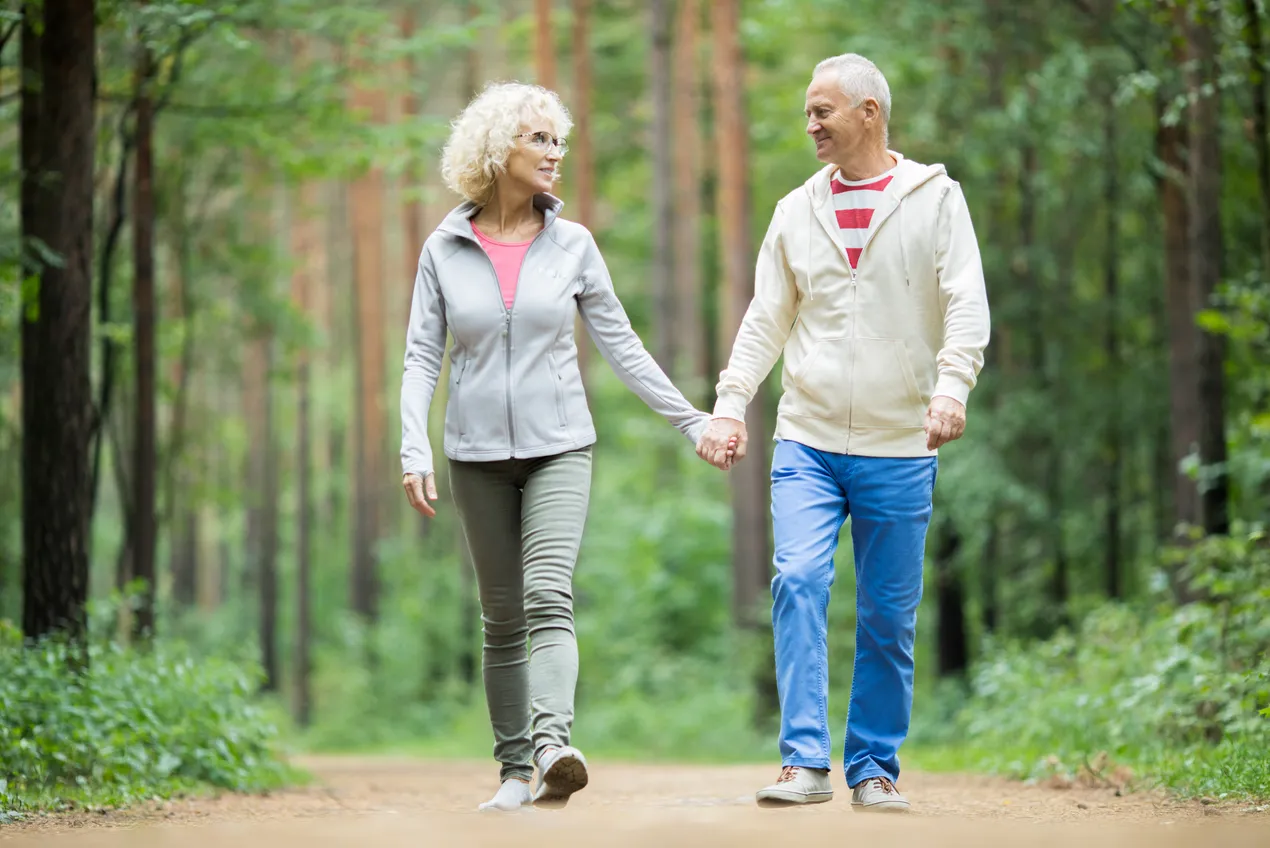
Walking is a simple, accessible and beneficial form of physical activity at any age. For seniors, regular walking can help maintain mobility, balance and independence while also supporting mental and social well-being.
With warmer weather returning, spring is also a great opportunity to gradually resume outdoor walks, enjoy parks and walking trails, and stay active throughout the day.
But what are the actual benefits of walking for seniors? How much should you walk, and how can you stay safe while walking?
Why is Walking Important?
Walking regularly is a simple way to stay active without necessarily taking part in strenuous exercise. This gentle form of physical activity can offer several benefits for seniors, including:
- strengthening muscles and maintaining joint mobility;
- supporting healthy blood circulation;
- helping maintain bone density;
- improving balance and helping reduce the risk of falls;
- supporting mental well-being;
- stimulating certain cognitive functions;
- helping maintain independence in everyday activities.
Walking can therefore easily become part of a daily routine, whether it is a short walk, a stroll around the neighbourhood or an organized activity in a senior residence.
How Long Should You Walk?
The World Health Organization (WHO) recommends that seniors engage in at least 150 minutes of moderate-intensity physical activity per week. This is roughly equivalent to 30 minutes of walking a day, five days a week.
However, every step counts! If you’re just starting out, begin with 10- to 15- minute sessions and gradually increase the duration. It’s important to listen to your body and respect your limits.
Walking for Physical Health
Walking is more than just a way to get around, it’s a true health ally. For seniors, it plays a vital role in maintaining vitality and independence. By incorporating walking into your daily routine, you actively help preserve your physical fitness while reducing the risk of various age-related illnesses.
Supporting Cardiovascular Health
Regular walking gets the heart working and can contribute to better cardiovascular health. Walking at a pace suited to a person's abilities is therefore a simple way to incorporate more physical activity into everyday life.
Maintaining Muscle Strength and Mobility
As we age, staying active is important for maintaining muscle strength and mobility. Walking works the legs and hips while encouraging regular movement.
Walking also helps maintain joint flexibility, which can reduce stiffness and pain for people living with arthritis. It can therefore help seniors maintain greater ease and independence when performing everyday activities.
Supporting Bone Health
Weight-bearing physical activities such as walking can contribute to maintaining bone strength. Walking can therefore be part of an overall approach to supporting bone health and mobility as we age.
Improving Balance and Coordination
Walking requires balance and coordination between different movements. Regular walking can help maintain these abilities, which play an important role in reducing the risk of fallsamong seniors.
Walking for the Mind: Psychological Benefits
Walking doesn’t just benefit the body; it also has a powerful impact on mood and cognitive abilities. For seniors, it becomes a valuable tool for preserving mental health, combating isolation, and boosting memory. Moving your body also activates your mind.
Reducing Stress and Promoting Relaxation
Going for a walk provides an opportunity to get some fresh air, change your surroundings and take a break from everyday activities. For some people, these moments can help reduce stress and promote relaxation.
Supporting Mood and Well-Being
Regular physical activity is associated with several positive effects on mental well-being. Going for a walk can also help break up a sedentary routine and maintain an active lifestyle. Walking can also help prevent depression.
Memory and Cognitive Function Boost
Walking helps people stay active while changing their surroundings and engaging with the environment around them. When walking outdoors or as part of a group, it can also provide opportunities for stimulation and social interaction. It may also help slow the progression of neurodegenerative diseases such as Alzheimer’s.
Walking in Spring: A Great Way to Enjoy the Warmer Weather
After the winter months, spring provides a great opportunity to gradually resume outdoor activities. As temperatures become more comfortable, walking can once again become an easy activity to incorporate into a daily routine.
A short walk in a park, around a senior residence or through the neighbourhood allows seniors to enjoy the outdoors while maintaining an active routine. For someone who has been less active during the winter, the key is to start gradually and choose a walking route that matches their abilities.
Spring can also be a great time to resume walks with a family member or friend or join a walking group. In a senior residence, organized outdoor activities can make walking even more enjoyable and motivating.
Walking as a Social Tool
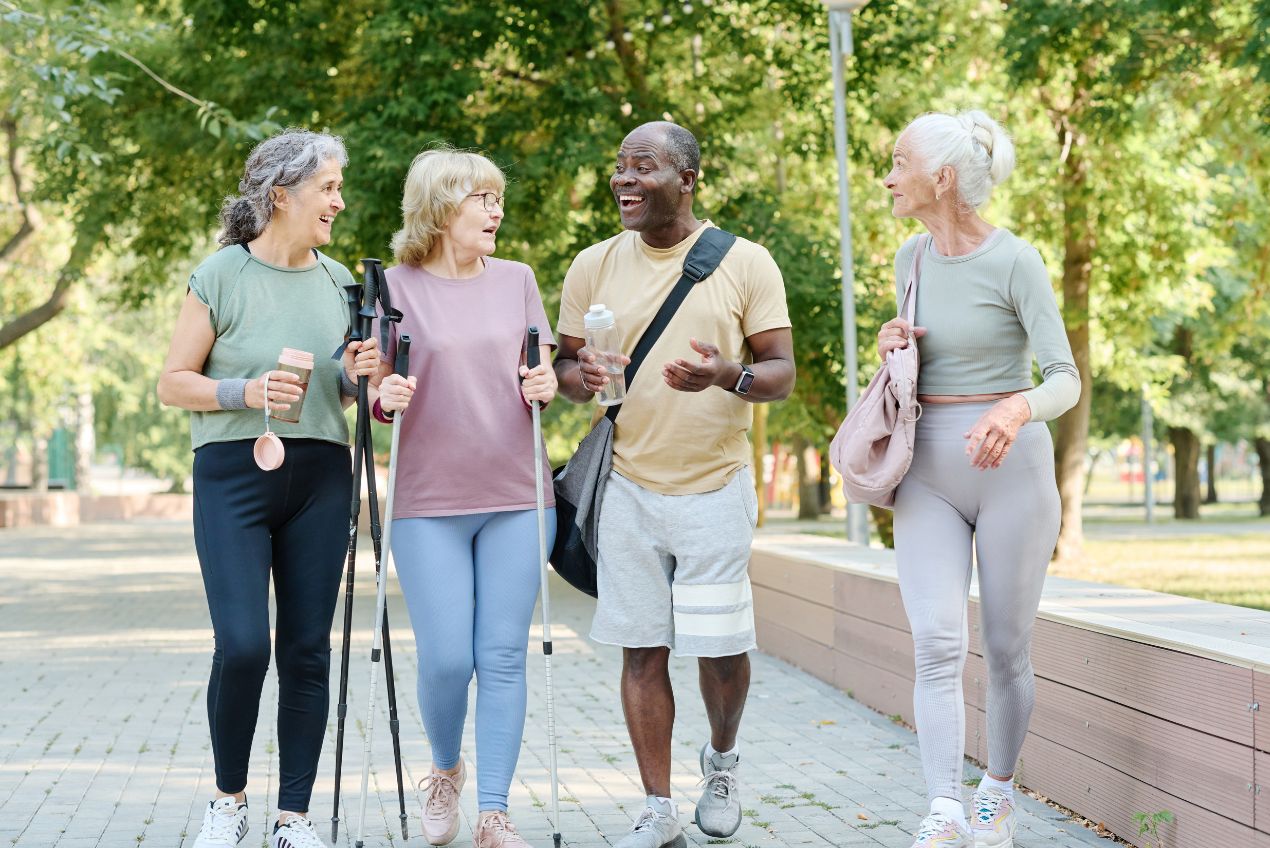
Walking with others, whether a loved one, friend, walking group, or even a pet, is a great way to maintain social connections. These shared moments help break isolation, encourage conversation, and reinforce a sense of belonging.
In some senior living residences, walking clubs are organized to promote regular activity and social interaction. Joining a walking club can be a great source of motivation.
Explore Senior Living Residences Offering Walking Clubs
6 Tips for Walking Safely
Walking is a simple and natural activity, but to reap all its benefits, it’s important to do it safely. Paying attention to safety helps prevent injuries, builds confidence, and allows you to fully enjoy each walk. Here are a few practical tips for walking with peace of mind, no matter your level or the season:
1. Wear Proper Walking Shoes
Choose comfortable, well-fitting shoes with good traction. Proper walking shoes can help improve comfort and stability while walking.
2. Stay Hydrated
It is important to drink enough water, especially as temperatures rise in the spring and during warmer days.
3. Choose a Safe Walking Route
Choose relatively flat, well-maintained surfaces that match your abilities. In spring, pay particular attention to wet, muddy or slippery surfaces following snowmelt and rainy weather.
4. Dress for the Weather
Spring temperatures can vary considerably from one day to the next. Wearing layers makes it easier to adapt to cold temperatures, wind and changing weather conditions.
5. Use a Walking Aid if Needed
A cane, walker or other walking aid can be helpful for some seniors. If you have difficulty walking or are concerned about your balance, speak with a healthcare professional to determine which walking aid is best suited to your needs.
6. Start Slowly
Before going for a walk, a few gentle movements can help prepare the body for physical activity. If you are returning to walking after a period of inactivity, gradually increase the duration and intensity of your walks.
Move to Live Better, Even in a Senior Living Residence
Walking can easily be part of an active lifestyle, including when someone chooses to live in a senior residence. Walks, walking clubs and other physical activities allow seniors to stay active while encouraging social interaction and a sense of belonging.
The most important thing is to choose activities that match your abilities and to stay active regularly, at your own pace.
Would you like to live in a setting that encourages an active lifestyle? Contact Bonjour Résidences at 1 844 918-1020 or fill out an online request. Our team of senior housing specialists is here to guide you toward a senior living residence that fits your needs.