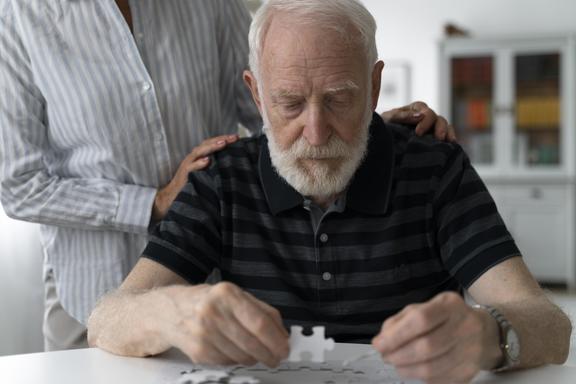
Preserving memory, independence, and brain health is a top priority for seniors and their loved ones. Worldwide, 55 million people are currently living with dementia, a critical figure expected to reach 153 million by 2050. What science reveals to be even more fascinating is that brain changes associated with cognitive decline actually begin 15 to 20 years before the first visible symptoms appear. This long, silent phase represents a unique window of opportunity, a decisive moment where targeted approaches can tangibly slow progression and protect remaining cognitive abilities.
Among the most promising non-pharmacological interventions, music therapy and sound stimulation are emerging as remarkably effective tools. Far more than simple entertainment, music has the unique ability to activate deep brain networks that prove amazingly resilient to neuronal degeneration. By stimulating new neural connections, releasing dopamine, and reducing stress hormones responsible for brain inflammation, it acts as a true biological shield.
In this article, you will discover the surprising neurobiological mechanisms behind why musical memories stand the test of time. You will understand the essential distinction between recreational listening and a structured clinical approach, all while exploring concrete, human-centered strategies, from dance therapy to creating stimulating living environments, to soothe anxiety, reignite the spark of memory, and preserve an optimal quality of life.
What Is Alzheimer’s Disease and How Can It Be Prevented?
Alzheimer’s disease accounts for 60% to 80% of dementia cases, but its onset can be delayed through cognitive stimulation, maintaining social connections, and healthy lifestyle choices. To learn more about the causes and symptoms of this progressive neurodegenerative condition, read our article What is the Alzheimer's disease?.

It affects approximately 1 in 10 adults over the age of 65 and nearly 1 in 3 (33%) over 85. Before an official diagnosis is made, the disease typically transitions through a mild cognitive impairment phase lasting between 3 and 6 years. It is during this crucial window that family members notice repeated memory lapses and when taking action becomes essential.
Experts identify four main pillars of prevention to boost brain health:
Healthy Nutrition: Prioritize a Mediterranean-style diet rich in antioxidants and healthy fats (blueberries, spinach, salmon, olive oil, and nuts) to protect both the cardiovascular and brain systems.
Daily Physical Activity: Walking, light fitness, or gardening increases blood flow and oxygenates the brain.
Social and Community Life: Maintaining friendships and participating in group activities guards against social isolation, a recognized factor in accelerating cognitive decline. Feel free to consult The Complete Guide to Seniors’ Mental Health, Well-Being, and Social Life to discover more ways to thrive in daily life.
Cognitive and Artistic Stimulation: Playing music, learning new skills, or exploring approaches for Stimulating Residents’ Memory: Customized Games for Cognitive Well-Being helps build brain reserves and encourages the creation of new neural pathways.
What Is Music Therapy and How Does It Differ From Simply Listening to Music?
Music therapy is a personalized clinical treatment delivered by a certified professional, whereas live therapeutic music provides immediate comfort to those experiencing anxiety or disorientation.
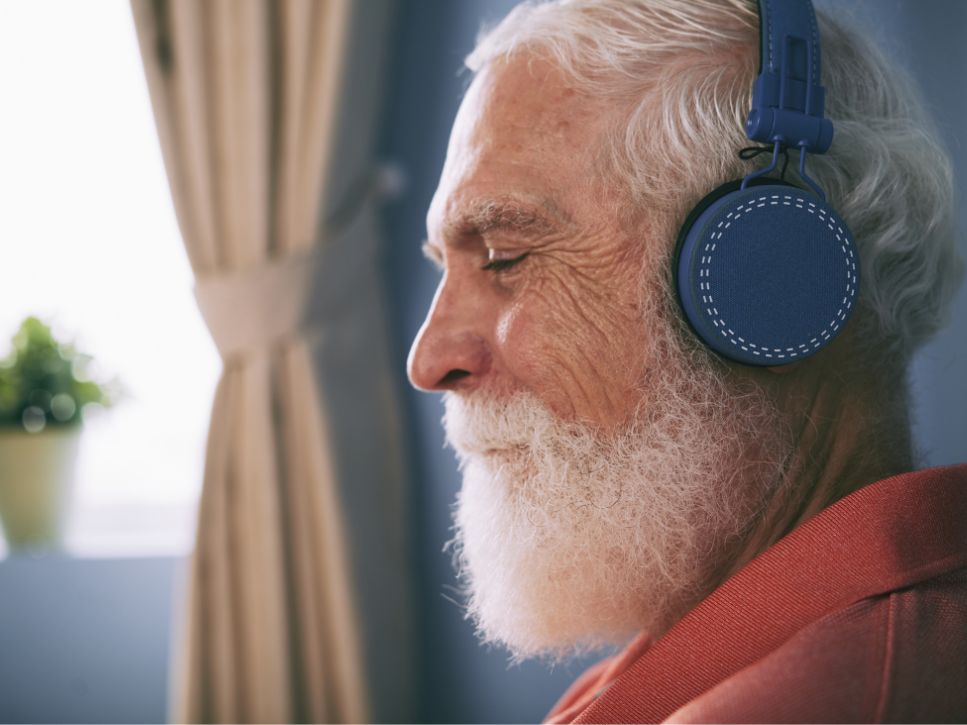
It is essential to distinguish recreational listening on the radio from clinical music therapy. Professional music therapy relies on a structured therapeutic relationship where a specialist assesses a patient’s preserved abilities to design targeted sessions. No prior musical talent or background is required.
Music therapy generally encompasses two approaches:
Active Interventions: The individual sings, claps along, plays light percussion instruments, or joins a choir. A major 3-month study involving individuals with Alzheimer’s demonstrated that active singing significantly improved verbal memory and language fluency while directly reducing caregiver burnout and distress.
Receptive Interventions: The individual listens to curated music and subsequently talks with the therapist to express emotions or memories.
In dedicated memory care units within seniors' residences, integrating music, whether through live workshops or personalized playlists, delivers immediate comfort. By establishing a reassuring environment, listening to music helps stabilize vital signs, lower stress levels, and soothe late-day restlessness (sundowning), offering a natural alternative to calm anxiety without relying solely on medication. If you are wondering what steps to take as care needs evolve, read our advice on My elderly relative's health is declining: what should I do?.
Why Do Musical Memories Resist Alzheimer’s Disease?
Musical memory remains remarkably intact because it is housed in key areas of the brain that resist degeneration for a very long time, even as the disease advances.
For caregivers, it is often astonishing to see a loved one who cannot recall what they ate for breakfast effortlessly sing every lyric to a song from their youth. Neuroscience research explains this phenomenon: the brain regions that encode musical memory and associated emotions show almost no volume loss, even in advanced stages of the disease.
This phenomenon offers practical everyday benefits:
Youth Anchor Songs: Scientists have observed that people generally stop seeking out new music in their early thirties and return to familiar classics. The melodies enjoyed between adolescence and early adulthood are deeply rooted in personal memory. Replaying these familiar tracks revives forgotten emotions, sparks memories, and restores a strong sense of identity.
Spontaneous Memory Recall: Listening to meaningful music triggers involuntary autobiographical memories. Seniors temporarily regain access to details from their past and an expanded vocabulary.
A Bridge for Communication: When speaking becomes difficult or confusing, singing offers an alternative pathway to maintain emotional connection between seniors, their families, and care staff in a retirement residence.
What Are the Effects of Music on the Brain?
Music awakens the brain by stimulating memory, releasing feel-good hormones, and reducing the stress that fatigues brain cells.
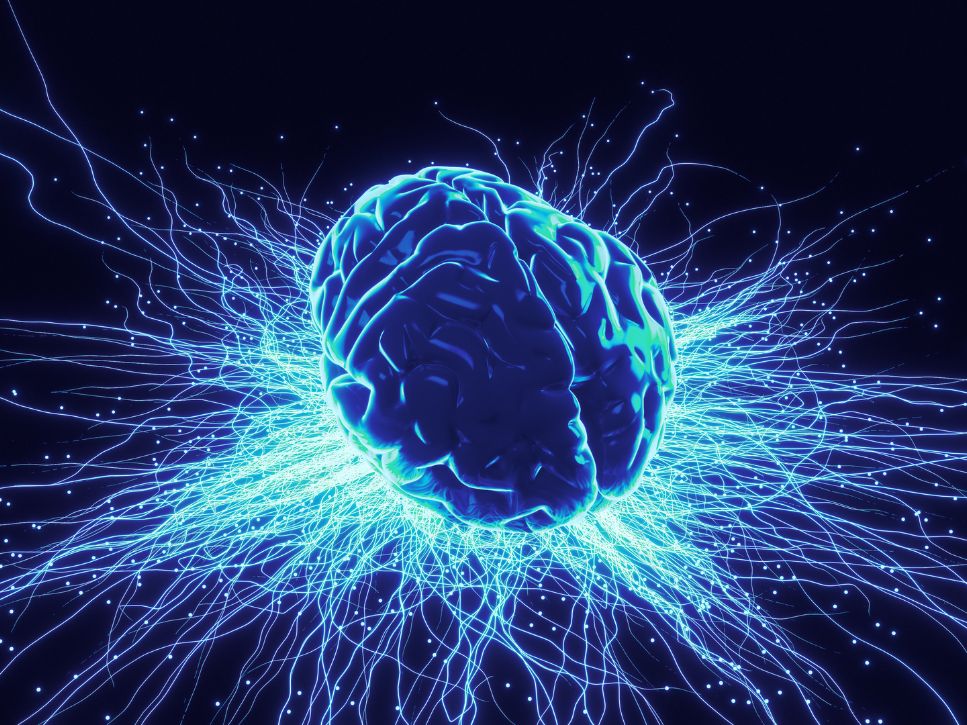
The benefits of music in older adults are supported by tangible biological changes. Three key mechanisms directly support brain health:
Neuroplasticity and the Hippocampus: Musical emotions activate the anterior hippocampus, a structure critical to memory. Discovering new music challenges the brain to forge new synaptic pathways. This helps slow brain atrophy and maintain a biological brain age younger than one's chronological age.
Dopamine Release: Music stimulates the brain's reward pathway and boosts dopamine availability. This neurotransmitter regulates mood, encourages movement, and compensates for the natural decline in feel-good and motivational hormones associated with aging.
Stress and Inflammation Reduction: Listening to music lowers cortisol (the stress hormone) and elevates salivary immunoglobulin A, an antibody that strengthens the immune system. By regulating the nervous system, music helps limit chronic neuro-inflammation, a major contributor to Alzheimer's progression.
The Daily Benefits of Music for Seniors
Beyond clinical therapy, bringing music into daily routines delivers deep, measurable benefits for physical, mental, and emotional well-being:
A Natural Antidote to Isolation: Group singing, participating in a choir, or simply enjoying music together fosters an immediate sense of belonging. Music breaks loneliness and encourages spontaneous interactions, even for more reserved individuals.
A Heartwarming Intergenerational Bridge: Discovering the favorite songs of grandchildren or passing down classics from one's own youth creates unique bonding moments. It is a wonderful opportunity to share memories while keeping the mind curious and engaged. For more family inspiration, explore Grandchildren Visiting: Activity Ideas to Share Special Moments.
A Powerful Mood Regulator: Revisiting cherished songs prompts the release of feel-good hormones, naturally easing anxiety, reducing stress, and lifting spirits.
A Voice When Words Fail: When verbal expression becomes challenging due to aging or cognitive decline, singing and rhythm take over. Music provides a valuable way to communicate and share feelings without language or cognitive barriers.
A Reassuring Anchor in Daily Routines: Pairing familiar melodies with key times of day (such as waking up, mealtimes, or preparing for bed) helps structure the day, maintain clear reference points, and reduce periods of restlessness.
Making music a daily companion is about far more than simple entertainment. It is an accessible, human, and cost-free tool that protects dignity, sparks joy, and enriches every single day.
By the way, here is a little insider secret...
At Bonjour Résidences, we believe so strongly in the power of music that our team wraps up every workday by playing Semisonic’s classic hit Closing Time! It is our own little way of shutting down our laptops, shaking off the stress, and proving that no matter your age or the time of day, a great melody always does wonders for the soul.
Dance Therapy and Body Expression
Dance therapy (or dance/movement therapy) is a clinical approach that uses body movement and musical rhythm to support a person's physical, emotional, and cognitive integration. Unlike a traditional dance class, it does not aim for performance or mastering complex choreography; it is a guided space of expression where the body becomes a tool for well-being and communication.
Why Is It Such a Promising Path?
Moving to familiar melodies (such as a waltz, a tango, or a favorite tune from their youth) allows seniors to reactivate their reflex memory of movement, a deeply ingrained body memory that resists the effects of the disease for a long time.

This approach offers concrete daily benefits:
On a Physical Level: It strengthens balance, coordination, and muscle strength, helping to effectively prevent the risk of falls.
On a Cognitive and Emotional Level: Following a rhythm and sharing movement encourages the brain to build new connections while breaking isolation, soothing stress, and reigniting a sense of joy.
Does Dance Therapy Help Prevent Alzheimer’s Disease?
The scientific community agrees that larger-scale clinical studies are still needed to measure its direct impact on preventing or slowing the disease. However, this avenue holds immense interest for researchers.
Why? Because dance therapy is one of the rare non-pharmacological activities that simultaneously combines the three recognized pillars of brain health: physical exercise, mental stimulation, and human connection.
Find a Vibrant, Music-Filled Living Environment Today
Beyond safety and healthcare, quality of life in a seniors' residence is measured by the richness of shared moments, the joy of movement, and the comforting power of memories. In fact, staying active and engaged is often the secret to a fulfilling retirement: the power of music and movement. The approaches and benefits highlighted in this article show just how much effort private seniors' residences put into offering stimulating, warm, and joyful environments where music continues to brighten each day.
Are you looking for a residence that offers musical activities, adapted workshops, or a dynamic community where staying active is part of daily life for yourself or a family member? To learn more about living environments that adapt to each resident's pace, read our complete guide on Progressive Care Senior Residences: Everything You Need to Know in Quebec.
At Bonjour Residences, our mission is to guide you with care and simplicity to help you find the ideal living environment.
Call our housing specialists today at 1 (844) 918-1020 for a free consultation, or complete an online request to discover residences offering the perfect activities for you.