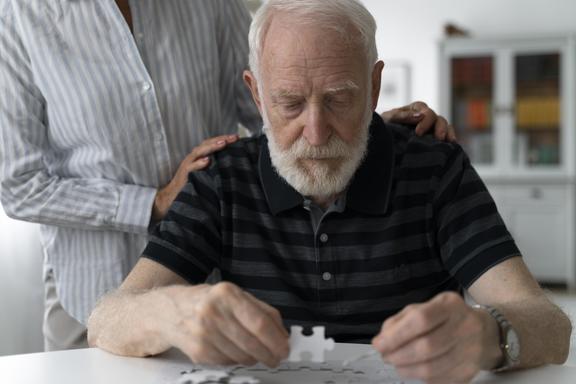
What if you could actively protect your memory, brain health and independence from home? This is the promise of a major Canadian scientific initiative coordinated by Sylvie Belleville, a professor in the Department of Psychology at the Université de Montréal, researcher at the Centre de recherche de l’Institut universitaire de gériatrie de Montréal (CRIUGM) and scientific director of the Réseau québécois de recherche sur le vieillissement.
According to Université de Montréal and the findings presented as part of this initiative, nearly half of cases of Alzheimer’s disease and dementia could potentially be prevented or delayed by addressing modifiable risk factors and adopting healthier lifestyle habits.
For older adults and caregivers looking to better understand Alzheimer’s disease, cognitive decline and ways to support memory, this approach offers an encouraging new perspective. It highlights that cognitive decline is not necessarily an inevitable part of aging and that certain lifestyle choices may help support brain health and independence.
Why This News Matters to Families
When faced with concerns about memory loss, cognitive decline or loss of independence, families can often feel unsure about what they can do. A new free online program developed as part of the Santé Cerveau PRO project offers a practical approach by bringing together evidence-based recommendations in an accessible format, without complicated medical jargon.
- Take an active role in your health: The program helps older adults take an active role in their well-being by focusing on seven everyday areas, including physical activity, sleep, nutrition, social health, vision and hearing.
- Explore complementary approaches: Beyond digital education, other meaningful activities can support overall well-being. Learn more about how music therapy may be incorporated into an approach to Alzheimer’s disease prevention.
- Support healthy years of life: The goal is not simply to live longer, but to preserve cognitive health, independence and quality of life for as long as possible.
- Valuable support for caregivers: Tools like this can give families a reassuring framework for discussing prevention with a loved one, encouraging healthy habits and monitoring progress without creating pressure. Organizations such as the Alzheimer Society of Quebec also provide support and resources for families.
What the Numbers Show: Encouraging Results From a Pilot Study
When technology is introduced to older adults, complexity can often be a concern. However, a study involving participants with an average age of 70 produced particularly encouraging results:
- 0% dropout rate: Remarkably for an online training program, all participants completed the program.
- 87% average participation: Participants watched an average of 43 of the 50 available video capsules, showing sustained interest in the content.
- An accessible pace: 60% of users accessed the program approximately once a week, while 30% logged in two to three times per week.
- Easy to use without technical assistance: The platform received an 80% usability rating. Participants reported that they did not need to be technology experts to navigate it easily.
- Strong overall approval: Nine out of ten participants reported that they had improved their health knowledge, strengthened their motivation and would recommend the tool to a friend or loved one.
Sleep and Memory: Top Priorities for Older Adults
The study also highlights what matters most to people around the age of 70. When participants were asked to identify the areas they most wanted to improve, 80% selected sleep and memory stimulation, followed closely by nutrition.
The program turns these priorities into simple, realistic everyday actions:
- For better sleep: Replace screens at the end of the evening with 10 minutes of meditation or maintain a consistent bedtime.
- For memory and mental sharpness: Do crossword puzzles, read every day or learn something new.
- For nutrition and vitality: Add an extra fruit or vegetable to each meal or practise mindful eating.
- For physical fitness: Add 30 minutes of cycling or walking several times a week.
Prevent Today and Plan for the Future
Beyond the scientific findings, this study highlights how dementia prevention and healthy lifestyle habits can encourage older adults to take an active role in their health, independence and quality of life. However, needs can change over time, and certain signs of loss of independence may indicate that an older adult needs help with everyday activities.
The Bonjour Résidences housing advisors offer free, personalized support. We are here to listen to your priorities, answer your questions and help you find a senior living environment that meets your current and future needs.
Contact a member of our team at 1 (844) 918-1020 or submit an online request to explore senior living options anywhere in Quebec.