Ensuring the safety and well-being of residents is a constant priority within private seniors' residences (RPAs) across Quebec. In the face of growing healthcare system challenges, a major innovation is quietly making its way into living environments, which is artificial intelligence dedicated to predictive health.
For seniors seeking a secure living environment and for their caregivers, this technological advancement offers an unprecedented safety net. To understand the scale of this transformation, it is fascinating to see how Artificial Intelligence in Senior Residences in Quebec is redefining the standards of protection and comfort. Far from replacing staff, it serves as a compassionate support tool. The detailed analysis of daily habits now makes it possible to detect a decline in health well before the first visible symptoms appear.
How can artificial intelligence predict a decline in health
Artificial intelligence continuously analyzes subtle, invisible changes known as weak signals to predict health deterioration several days before the first symptoms show.

In the daily routine of a residence, care teams show remarkable dedication, but they cannot monitor every room continuously. Predictive health fills this gap by leveraging the fact that a medical problem rarely happens overnight. The body emits subtle alerts that the human eye cannot always catch in real time.
To achieve this, artificial intelligence fulfills two main functions:
Mapping the routine : During the first few weeks, the system gets to know the resident. It records their usual routine, such as waking hours, normal walking speed, and resting habits. This creates a unique, personalized baseline for each senior.
Detecting anomalies : Once this routine is established, AI acts as a safety filter. If a behavior shifts from the norm, the system evaluates whether it is an isolated incident or a deeper trend developing over several days.
This advanced analysis can flag a risk of dehydration or the onset of pneumonia. By cross-referencing these changes in habits with general health data, the technology gives nurses the opportunity to intervene proactively to avoid a decline in health and a stressful trip to the emergency room.
What daily behaviors are analyzed by these technologies
The systems focus on environmental, non-intrusive data such as sleep quality, walking regularity, and the overall rhythm of daily habits.
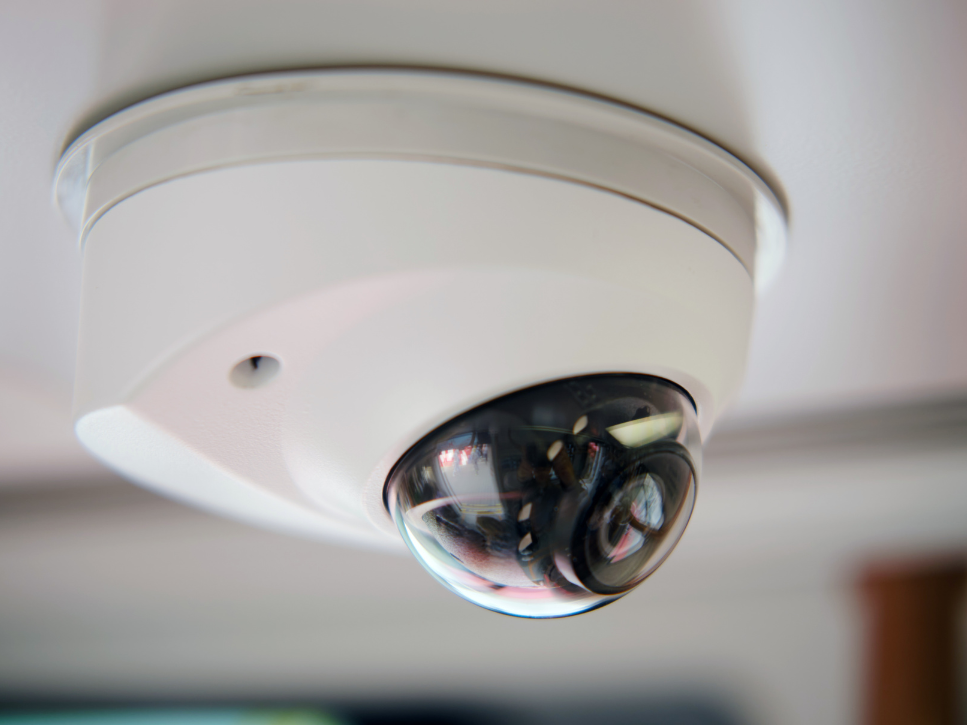
It is important to reassure families that integrating AI into an RPA completely excludes the use of intrusive cameras that would compromise seniors' privacy. Instead, ambient, smart sensors are placed under the mattress or arranged in corridors.
Walking speed and gait : Sensors measure the pace of movements in common areas. A reduction in walking speed of just 10% over a few days often indicates a drop in energy or an imminent risk of a fall, allowing physiotherapy professionals to adjust their care.
Sleep and circadian rhythms : Specialized technologies analyze nighttime restlessness and heart rate variations through the mattress. A senior who suddenly gets up multiple times a night reveals an discomfort that the system registers immediately.
Frequency of bathroom visits : An increase in these trips is a major indicator, particularly for detecting urinary tract infections (UTIs), which are a frequent cause of confusion and falls in seniors. AI allows the issue to be treated before acute pain sets in.
How does AI preserve precious human contact
By taking over medical note-taking and paperwork, AI frees up valuable time for staff to focus entirely on residents.
The fear of technology dehumanizing care is common among seniors. Yet, pilot projects led in Canada show the exact opposite, because AI acts as a virtual medical secretary during health assessments. The system records the conversation between the professional and the resident, transcribes it, and automatically writes up the summary for the electronic health record.
This major reduction in administrative burden transforms interactions. Nurses no longer have to type long reports on a digital tablet during appointments. They can maintain true eye contact, listen with empathy, and offer a warm presence. AI takes care of the data, allowing humans to take care of humans.
How do we prevent staff from being overwhelmed by false alarms
Modern platforms use transparency models that gather small daily clues to explain clearly to the nurse the exact reason behind each notification.

If alerts rang constantly for no good reason, healthcare staff would eventually stop paying attention to them, which is a clinical phenomenon well known as alarm fatigue. To ensure the reliability of technology in residences, developers design systems capable of justifying their findings, much like a detective presenting evidence.
When an alert reaches the care team's tablet, it does not simply say warning. It connects the dots and displays a very simple visual summary. For a resident, the AI combines three specific observations:
The first clue : The system notices that the resident has been walking a bit slower in the corridors for the past two days, showing a drop in energy.
The second clue : The sensor under her mattress recorded a much more restless sleep than usual, with three nighttime wakings.
Medical history : The artificial intelligence cross-references these facts with her chart and notes that her doctor modified her blood pressure medication last week.
With a quick glance at her screen, the nurse understands the whole story. She immediately realizes that the resident is tired from a poor night's sleep and that her new blood pressure pill might make her a bit unsteady this morning.
Rather than rushing in blindly or receiving a stressful robotic alert, staff have a logical clinical picture. The nurse can then calmly visit the resident upon waking to gently assist her to the dining room, turning a simple piece of computer data into a human gesture that prevents a fall.
How are seniors' privacy and data protected
Residences integrate federated learning, which optimizes care security without ever sharing identities or medical files externally.
Compliance with privacy regulations, particularly Law 25 in Quebec, is fundamental in the field of health technology. Modern AI has absolutely no need to transmit a resident's name or complete file to external servers to refine its predictions.
Thanks to federated learning, algorithms improve and develop in a decentralized manner. Your parent's personal information and behavioral data remain securely stored inside their own seniors' residence. The system acts as an invisible bodyguard that watches over health while building an airtight barrier around privacy.
A More Serene Future at the Heart of Quebec Residences
Choosing to live in an adapted and secure environment is a major milestone that deserves to be experienced with peace of mind. Although we are not medical experts, our mission at Bonjour Residences is to help you discover the most innovative solutions to ensure your protection. By opting for a well-supervised environment at the forefront of care, you ensure a comfortable retirement while giving your loved ones the certainty that you are safe. It means an end to daily worries and the beginning of a new chapter, where every family moment is dedicated to the joy of being together.
Navigating care criteria and the multiple senior living options in Quebec can seem complex. Bonjour Residences becomes your ally to simplify every step of your housing search:
An objective analysis : We analyze the entire market with total transparency to present you with the facts, amenities, and rate structures of different residences.
A tailored choice : We filter options according to your care priorities and assistance needs. To guide you financially, discover the cost of a seniors residence in Quebec in 2025 to make an informed choice adapted to your budget.
Simplified logistics : From planning visits to supporting you in your reflections, we ensure that your transition remains a smooth and positive experience.
By entrusting your search to Bonjour Residences, you will find an environment perfectly suited to your lifestyle while keeping full control of your decisions. Contact us online or by phone at 1 (844) 918-1020 today to begin this process with complete confidence.