The integration of artificial intelligence is increasingly emerging as a major trend for the future of private seniors' residences (RPA) in Quebec. Even if these technologies are not yet implemented everywhere, they represent promising solutions to support staff and better protect older adults. It is completely natural for seniors and their families to have questions about privacy or the fear of losing human contact. This guide helps explain how these innovations will transform the daily lives of residents while keeping humans at the heart of care.
The Impact of AI on Residence Searches and Digital Reputation
New intelligent search tools are already beginning to change how families look for a residence by analyzing detailed comments on the web.
This shift is gradually changing the habits of families searching for accommodations for a loved one experiencing a loss of autonomy. Modern residents generally own smartphones and expect personalized interactions as well as rigorous protection of their personal information. Instead of conducting a traditional search, many people are now using conversational search engines to ask detailed questions about the atmosphere or care at an establishment.
To power these modern queries, algorithms scan the rich feedback left on specialized portals like Bonjour Residences. Residence managers will need to increasingly diversify their online review sources in the future. Search bots are moving away from traditional advertising sheets and anonymous ratings to favor complete experience stories, which greatly helps families target the ideal living environment.
The impact of AI on RPA reputation and online reviews
The evolution of algorithms is also transforming how families evaluate senior living environments. New search engines now prioritize detailed stories and specialized platforms over simple star ratings. To understand this major shift and discover how to adapt your marketing strategy, read our full article on the Impact of AI on Online Reviews for RPAs in Quebec.
Labor Management and Optimizing Future Residence Operations
Artificial intelligence offers promising concepts to simplify recruitment and lighten administrative management in the years to come.
The shortage of administrative and care staff represents a major challenge for a vast majority of facilities in Quebec. Current statistics indicate that seven out of ten residences have fewer employees than before the pandemic, and it can sometimes take more than three months to fill a vacant position. Faced with this difficult situation, future intelligent IT tools will offer valuable help to accelerate recruitment, adding to current efforts outlined in Solving Staff Shortages in RPA: Concrete Actions.
This internal optimization will concretely change the daily lives of managers and care teams. By automating reminders and candidate file follow-ups, management will save precious time that can then be dedicated directly to residents. Families will appreciate knowing that facility professionals are available on the floor rather than overwhelmed by hiring procedures.
Automated recruitment tools will make it possible to stay in touch with potential candidates so they do not become discouraged during background checks.
Virtual compliance assistants will analyze regulatory changes to ensure that the residence always meets the latest industry standards.
Streamlining Software and Supporting Tomorrow's Care Teams
Technologies under development aim to combine data from multiple isolated software applications to give valuable care time back to nurses.
In the traditional management model, healthcare staff must sometimes deal with an accumulation of technology involving up to eighteen different applications. This situation imposes a heavy training burden on employees and reduces the time available for direct care to seniors. In the future, artificial intelligence will make it possible to extract and group all this scattered data into a single, secure reservoir.

One of the most concrete upcoming applications for nurses is computer-assisted clinical dictation. The employee will be able to simply dictate notes aloud, and the software will handle structuring the text to instantly integrate it into the senior’s medical file. This system will double administrative efficiency and help caregivers practice their profession while giving their full attention to residents.
Predictive Health and Smart Medication Management on the Horizon
Future computer systems will be able to analyze minor changes in habits to detect health problems before a crisis occurs.
Residents and their loved ones will benefit immensely from preventive medicine that will identify a health issue before an emergency arises. Learning technologies will analyze huge volumes of data to spot slight modifications in a senior's daily routine. For example, repeated requests for help at the reception desk could indicate a progression of memory troubles, while frequent falls might hide the onset of a neurological condition. Furthermore, specialized smart sensors under development will be able to analyze toilet contents to detect a urinary tract infection before the first visible symptoms appear.
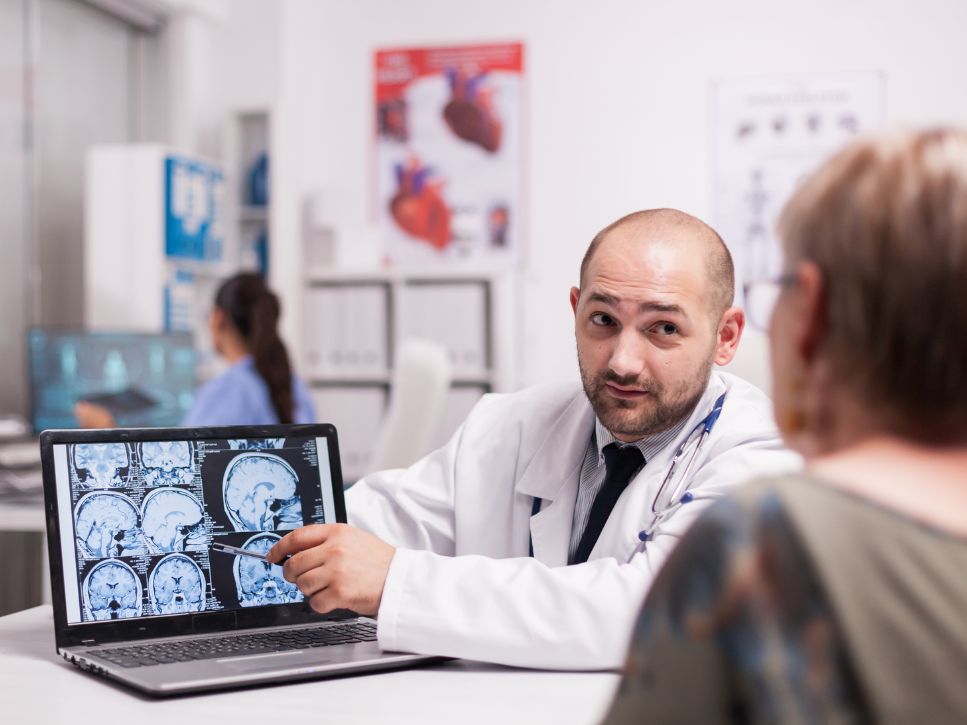
How can artificial intelligence predict a decline in health for a resident
Artificial intelligence continuously analyzes subtle, invisible changes known as weak signals to predict health deterioration several days before the first symptoms show.
To discover how these innovations translate into the daily routine of Quebec establishments, we invite you to consult our complete guide Predictive Health: AI at the Service of Seniors in Residences. You will learn how routine mapping helps watch over your parent gently, without ever using intrusive cameras or invading their privacy. This article also details how technology frees nurses from administrative paperwork, allowing them to spend more quality time with each resident.
This predictive monitoring will also apply to the daily tracking of medical treatments. While it is already essential to know How to properly manage medications and appointments for seniors, future intelligent applications will support these routines by studying seniors' vital signs, such as heart rate or oxygen levels, to detect anomalies.
Connected watches and monitors will transmit vital signs to doctors remotely, facilitating follow-ups without the need for tiring travel.
Smart pill dispensers will send personalized reminders and alert staff if a treatment has not been taken on time.
By using computers to compare what a resident eats with their blood sugar (glycemia) results, the medical team will be able to understand exactly how meals impact their health and adjust their care accordingly.
Resident Safety and New Perspectives on Fall Prevention
Next-generation motion sensors will make it possible to actively prevent accidents while fully protecting seniors' privacy.
The fear of falling is a major source of anxiety for older adults and their children, pushing many families to seek the safety of an adapted residence. The gradual integration of motion sensors and smart optical systems will mark a new step forward from the solutions presented in our guide on Fall Detection Technologies for Seniors. These innovations will allow an accident to be detected instantly, without the resident needing to press a button. For individuals living in memory care units who sometimes forget to wear their alert bracelets, this technology will prove particularly reassuring.
The great strength of tomorrow's systems lies in combining artificial intelligence with human vigilance. Advanced sensors will protect seniors' privacy by recording images only when the system detects an actual fall. During the night, if a high-risk resident attempts to get up alone, the system will alert a virtual monitoring team that can intervene vocally to reassure the senior while a staff member quickly heads to the room to assist.
The Evolution of Smart Home Technology and Physical Rehabilitation for Autonomy
Tomorrow's apartments will integrate voice commands and interactive programs adapted to the physical capabilities of older adults.
Integrated smart home technology will offer future residents greater independence in their living spaces while simplifying everyday activities. Smart speakers placed in apartments will allow residents to turn on lights, adjust the heating, or lock doors through simple voice commands. These tools will simplify the routine for seniors with visual limitations or mobility challenges by saving them from risky movements.
Artificial intelligence will also serve physical fitness and the development of healthy habits. These technologies will adapt to the changing needs of seniors to encourage an active and autonomous lifestyle.
Automated lighting will illuminate dark areas of the apartment to reduce the risk of accidents during nighttime trips to the bathroom.
Connected beds will analyze sleep quality and alert caregivers if a resident does not get up at their usual time.
Digital physical therapy programs on tablets will guide rehabilitation after an injury by adjusting exercises based on the person's actual progress.
Conversational applications will help seniors summarize complex documents, find adapted recipe ideas, or plan activities.
Tomorrow's Technologies to Break Isolation and Encourage Connections
Virtual companions and social matching applications represent future tools to reduce loneliness among seniors.
Loneliness deeply affects the mental and physical health of older adults. To provide constant support in the future, interactive companion robots will offer friendly conversations, memory-stimulating games, and gentle reminders. Although these tools will never replace visits from loved ones, their constant availability will bring valuable comfort when residence staff are busy with other tasks.

Technology will also serve as a bridge to rebuild a solid and enriching social network. Matching platforms will use smart systems to connect seniors with trusted individuals or roommates who share similar interests and lifestyles. This personalized pairing will stimulate exchanges and strengthen the sense of belonging to an active community.
Cyber Security and the Future Protection of Senior Data
The arrival of these innovations will demand increased vigilance against technological fraud and strict security for medical files.
The development of technologies also brings significant challenges for residents and their loved ones. Criminals sometimes use sophisticated tools like voice cloning or fake videos to trick vulnerable individuals. To face these threats, it will be crucial to consult our 8 Tips to Help You Avoid Senior Fraud. Education and awareness within residences will stand as the best protection for the future, and it will become essential to know how to handle Preventing Fraud Among Seniors: How to Talk About it With Your Loved Ones.
On an institutional level, the security of residents' medical data will require total vigilance from managers. Residence directors must ensure they never upload confidential information to public search engines where security cannot be guaranteed. Tomorrow's technological solutions must use private, closed networks to protect the confidentiality of health records.
It is recommended to set up a secret verbal password known only to family members to confirm identity during an emergency call.
Seniors should avoid sharing financial or personal details with unfamiliar conversational bots.
When in doubt regarding an unexpected request for money, the golden rule is to hang up and call the loved one back on their usual phone number.
What Artificial Intelligence Can Never Replace
Despite all the upcoming technological advances, empathy and compassion will always remain purely human qualities.
Care in a residence will always rely on shared emotions, authentic smiles, and gestures of physical comfort that a machine can never replicate. The warm presence of orderlies and nurses brings an essential dignity to aging well, which residents and their families seek above all else.

Human caregivers possess a unique capacity to perceive subtle emotional cues, such as a hesitation in a voice or an anxious look. The bonds of friendship that form over the months between residents and staff create spontaneous moments of joy and laughter. Furthermore, workers will always act as true ambassadors to defend seniors' rights and communicate reassuringly with families. Tomorrow's technology should simply free up time to allow this human contact to express itself fully.
Finding the Right Residence with Confidence
Choosing a seniors' residence in Quebec today requires looking toward the future. Tomorrow's ideal living environment will know how to integrate these technological innovations discreetly to optimize safety while placing human relationships at the very center of its priorities.
To guide you through the choices available in your region and help you understand which technologies are currently used or planned in establishments, the Bonjour Residences team is here to help. Our advisors offer you warm, objective, and completely free assistance.
Contact us by phone at 1 (844) 918-1020 or reach out to us online to start your search with complete peace of mind.