


The 647 Best Residences for Non-Autonomous Seniors in Quebec
A non-autonomous person needs help with most activities of daily living, such as bathing, dressing, eating or moving around. This page is for them and their families: it lets you compare residences with care that welcome seniors with a loss of autonomy across Quebec.
Private residences that welcome seniors with a loss of autonomy offer personal assistance and nursing care, depending on their certification and staff. Depending on the residence, this may include help with hygiene, dressing and meals, help with mobility, medication management, closer supervision or a separate care unit. Some residences have a floor or wing reserved for residents who need more intensive care. Each Bonjour Résidences listing details the care offered.
RPA with care, RI, CHSLD or maison des aînés?
An RPA with care suits people whose needs remain compatible with the services it offers. When the loss of autonomy becomes greater, the public network takes over: the intermediate resource (RI), the CHSLD (long-term care nursing home) and the maison des aînés. Access to these settings goes through the CISSS or CIUSSS, after a needs assessment by a professional, often following a request to the CLSC. An RPA does not replace a CHSLD: they meet different needs.
How much does a residence with care cost?
The cost of a residence with care depends mainly on the amount of care required, the type of unit and the region. Personal assistance and nursing care are added to the rent and can account for a large share of the fees. Some services included in the lease may qualify for Quebec's tax credit for home-support services for seniors. To learn more, read the article on the cost of a seniors' residence and the one on the tax credit for seniors. For specific needs, the Alzheimer's and palliative care pages list suitable residences.
How to choose a residence with care
Choosing a residence with care starts with the person's actual needs: help with hygiene, meals and mobility, medication management or nursing care. During the visit, ask what care is offered on site, when nursing staff are present and how many attendants work at night. Also ask how the residence responds if the person's health changes, and when a referral to the public network would be recommended. A conversation with the doctor or the CLSC helps confirm that the chosen setting can meet the person's needs, now and in the months ahead.
Find a residence with care near you
When care needs increase, finding the right setting close to loved ones can feel overwhelming. Not sure where to start? A senior housing specialist can guide you through your search and identify residences offering the care and assistance required: simply fill out an accommodation request. You can also browse residences with care for seniors with loss of autonomy in your region:
- Montreal
- Laval
- Quebec City
- Montérégie
- Laurentians
- Lanaudière
- Outaouais
- Eastern Townships (Estrie)
- Mauricie
- Chaudière-Appalaches
- Gaspésie
- Abitibi-Témiscamingue
FAQ
Where can a non-autonomous senior live?
A non-autonomous senior can live in a private residence with care, if their needs match the services offered, or in a public setting: an intermediate resource, a CHSLD or a maison des aînés. For the public network, the request is made to the CLSC, which assesses needs and directs the person to the appropriate setting.
Can a private residence welcome a non-autonomous person?
Yes, some private residences welcome people with a loss of autonomy, provided they offer the necessary personal assistance and nursing care. They must be certified in the category of residences for semi-autonomous seniors. When needs exceed the services offered, a referral to the public network is preferable.
What is the difference between an RPA with care and a CHSLD?
An RPA with care is a private residence where residents sign a lease and pay for the services they choose. A CHSLD is a public long-term care setting for people with a significant loss of autonomy, accessible only through the CISSS or CIUSSS. A CHSLD provides more intensive, continuous care.
How much does a residence for seniors with a loss of autonomy cost?
The cost varies with the care required, the type of unit and the region. Personal assistance and nursing care are added to the rent. Some services may qualify for Quebec's tax credit for home-support services for seniors. In a CHSLD, the resident's contribution is set by the Régie de l'assurance maladie du Québec (RAMQ).
How do you get a place in a CHSLD?
To get a place in a CHSLD, a request must be made to the local CLSC. A professional from the CISSS or CIUSSS assesses the person's autonomy and needs, and the file is then reviewed through the access-to-housing mechanism. The CHSLD page lists the facilities in each region.











FAQ
Nursing homes seniors require assistance and total help in all activities of daily life and in the activities of domestic life. Personal care is provided by another person for hygiene, clothing, food and mobility. Cognitive care is taken care of when a senior finds himself in a situation where there is a permanent deterioration of his thought activity. Finally, nursing homes seniors require constant monitoring.
To choose your retirement home for non-autonome, go to our Where to start ? page. We propose an approach to better identify your needs and your budget. In addition, thanks to our free search assistance service, a qualified agent can search through our database and send your summary profile to selected residences.
In Québec, there are 647 retirement homes for Non-autonome are listed on Bonjour Résidences.
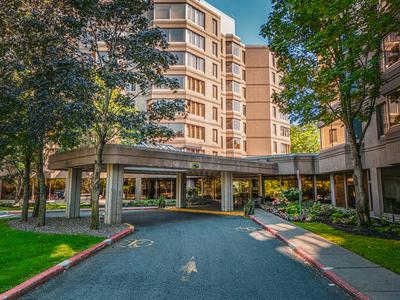
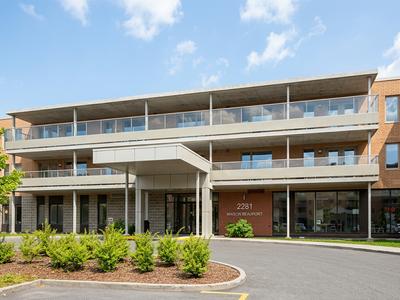
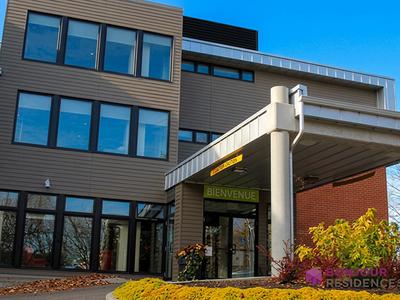
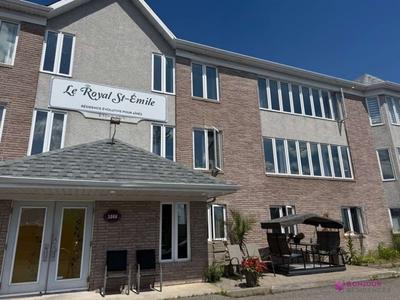
The best non-autonome retirement homes in Québec are: Le Waldorf, Résidence des Bâtisseurs - Louiseville and Domaine Mahonia.
The Bonjour Résidences platform offers a simple and free support to find the ideal residence for non-autonome everywhere in Québec. Start now by filling an accommodation request or by calling us at 1-844-918-1020.