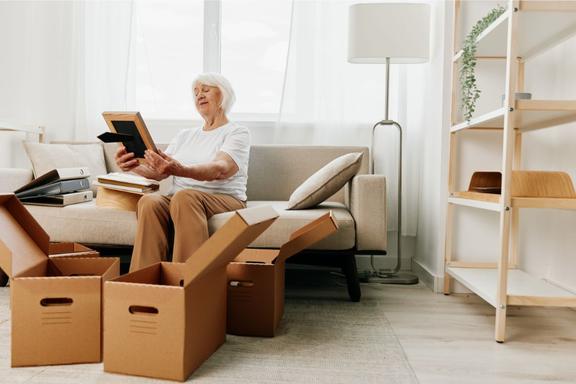
Moving into a CHSLD comes with many questions. Often, seniors are admitted into a long-term care facility within a fairly short timeframe. Preparation is essential to make this transition as smooth as possible. Here is a overview of the essential items you should not forget.
Whether you or a loved one is being admitted to a public or private CHSLD, it is important to prepare a variety of items to ensure comfort and well-being. Here is an exhaustive list of what you should consider bringing to make the space feel like home.
Do you have other questions about CHSLDs?
While preparing this checklist is a crucial step to ensure daily comfort, being admitted to a long-term care facility often raises several questions regarding costs, facility selection, or daily life. To help you navigate this transition with complete clarity, we invite you to consult our reference guide: Answers to questions about CHSLDs to get all the necessary information for yourself or your loved one.
Important Cards and Documents
Health insurance card (RAMQ)
Hospital card (often referred to as the « carte bleue »)
Social insurance number or card (SIN)
Medical documents : doctor reports and prescriptions to be handed over to the care team
Emergency information : emergency contacts, protection mandate and medical directives
Adaptive Clothing
In an environment like a CHSLD, opting for practical and comfortable clothing is crucial. Clothing with Velcro closures is highly recommended for individuals with reduced mobility or loss of dexterity because they are easy to manipulate. Make sure to have a selection of clothing adapted to your individual needs. You should also label all clothing items to avoid losses during transport or laundry. A wide variety of iron-on clothing labels is readily available on the market.
Personal Hygiene Items
To maintain personal hygiene and comfort, do not forget to bring your favorite products. Whether you have specific brand preferences or product types, ensure you have a sufficient supply of :
razors
shaving cream
hairbrushes
toothbrushes
medicated creams
deodorant
perfume or cologne
makeup
any other product needed to feel fresh and clean
Suggested Wardrobe (every clothing item must be labeled with your name)
Seasonally appropriate clothing : plan your wardrobe according to the temperature (lighter items for summer and warmer ones for winter)
8 dresses, skirts or pairs of pants
8 blouses, shirts or sweaters (short or long sleeves)
2 or 3 cardigans or jackets
2 belts
4 bras or camisoles
10 to 12 pairs of underwear or boxers
4 to 6 pairs of tights or pantyhose
6 to 8 pairs of socks
2 pairs of non-slip shoes or running shoes
1 or 2 bathrobes
6 to 8 nightgowns or pairs of pajamas
2 pairs of non-slip slippers
1 coat
1 hat (summer and winter options)
1 scarf
1 pair of gloves or mittens
1 pair of boots
Comfort Elements
To make your living space as welcoming as possible, consider bringing items that are familiar to you. Whether it is a favorite television, a radio to listen to shows or music, a tablet to stay connected with loved ones or even a cell phone, these small luxuries can make all the difference in your daily well-being.
Personal Items
To create a warm and familiar atmosphere, feel free to bring personal belongings such as photos, keepsakes, framed pictures and other decorations that remind you of home. Personalizing your room even before your arrival can help you feel at home from day one, which is essential for your emotional comfort. When a resident experiences neurocognitive deficits, it can be a wonderful idea to place a calendar on the wall and write a note on each of your scheduled visit dates. At the same time, this allows the nursing staff to remind them of your upcoming visits and creates meaningful communication opportunities.
Accessories
Glasses and spectacle cases
Watch or alarm clock
Makeup and manicure products
Perfume, cologne or aftershave
Electric razor
Hairbrush and comb
Nail clippers
Nail file
Small Gestures That Bring Comfort and Well-Being :
A list of telephone numbers for loved ones and professionals (pharmacy, doctor, dentist)
A personal address book
Personal bedspread, quilt and curtains
Treats : candies, cookies, soft drinks, etc.
A radio and your favorite music
Family photos (albums and frames)
Meaningful personal objects that bring comfort and reassurance
Are you moving toward the private sector instead?
Although the lists on this page are designed for a government long-term care facility, organizing a transition toward a private residence requires a completely different type of preparation. Leases, managing spaces to furnish and administrative realities are totally different there. If you are considering this option instead or making a change in direction for yourself or a loved one, we invite you to consult our comprehensive reference tool: The Complete Guide to Moving into a Senior Residence in Quebec to plan every step of this project with peace of mind.
What's Included in a CHSLD?
In addition to the personal items you bring, note that the CHSLD will also provide certain basic items for the comfort of the elderly person. This includes basic hygiene products such as soap, toothpaste, shampoo, as well as necessary medications, incontinence briefs, toilet paper, and tissues. Essential furniture such as hospital beds and bedding will also be provided to ensure your comfort and safety.
By carefully preparing your loved one's move to the CHSLD and bringing the essential items mentioned above, you can ensure that the new living environment meets your expectations and needs.
At Bonjour Résidences, we understand the importance of feeling at home, even in a care setting, and we're here to support you every step of the way.
To embark on a new adventure in a private CHSLD, the Bonjour Résidences team is here to guide you through the process. To speak with one of our accommodation specialists, contact us toll-free at 1 (844) 918-1020.