Moving into a private seniors' residence (RPA) is a major life milestone, one often filled with nostalgia but also the promise of an exciting new chapter. In Quebec, we know just how exhausting the moving season madness can be for a senior and their caregivers, making this major transition all the more demanding. Fortunately, whether you are planning a move during the peak summer rush or at any other time of the year, a project like this can be beautifully orchestrated one step at a time.
Here is our complete guide to navigating this transition with peace of mind, designed to help you fully understand the human, financial, and legal adjustments along the way.
When Should You Start Preparing for a Move to a Senior Residence?
Ideally, preparations should be spread over a period of 6 to 18 months. This respects the senior's natural pace, prevents rushed decisions caused by sudden medical emergencies, and allows for a gradual downsizing of a lifetime of belongings.
Planning to Ease the Anxiety of Change
For seniors, leaving a long-time home can sometimes feel like losing control over their daily routine. For family caregivers, balancing their own career and family life with managing such a massive transition can quickly become overwhelming. Starting early grants you the luxury of time, specifically the time needed to process things emotionally. Before packing the very first box, it is essential to reflect on autonomy and desired lifestyle, a deep conversation we cover in Living in a seniors' residence: am I ready?.

Structuring your steps ahead of time prevents you from burning out. Clear milestones allow caregivers to delegate tasks and give seniors the agency to choose what truly matters to them. By knowing exactly how to navigate this process with our guide on Preparing for a Move to a Retirement Home for Seniors, you can eliminate stress using a proven chronological countdown:
- 18 months before : Begin with a symbolic deep clean, gifting sentimental items to family members that you already intend for them to have.
- 12 to 6 months before : Create a room-by-room inventory to separate what is truly essential from what is broken or redundant.
- 3 months before : Empty the freezer, consume perishable goods, and start selling or donating furniture that will not fit into the new space.
- 1 month to 2 weeks before : Pack your everyday belongings and clearly label your moving boxes.
Every week of planning gained means a lot less stress when the big day comes. For a detailed roadmap tailored to our provincial reality, check out our practical guide: How to Plan a Move into a retirement home in Quebec. You will get a complete overview of the best logistical practices for a hassle-free departure.
How to Start the Conversation and Decide Together as a Family
Approach the topic with deep empathy, focusing on your own worries (safety, isolation) rather than imposing a forced solution. Always remember that the final decision must honor your loved one's dignity and choices.
Choosing Empathy Over Confrontation
Fearing anger, resentment, or sadness from their parents, many caregivers delay talking about retirement homes until a crisis, such as a bad fall or hospitalization, forces their hand. To ensure your loved one does not feel "put away" or blindsided, the conversation needs to evolve naturally over time. To defuse defensiveness, explore our communication strategies in How to Talk About Retirement Homes to Your Loved Ones. The best approach is using "I" statements: “I worry about your safety when the stairs get icy,” or “I would feel so much more at peace knowing you don't have to carry heavy laundry up from the basement.”
Visiting Together to Build Familiarity
To break down old stereotypes about "nursing homes," involve your parent directly in choosing their future living environment. To assist you in this collaborative process, we designed a step-by-step framework: Taking the decision as a family to move into a senior living residence. Booking tours together allows your parent to validate practical details, such as tasting the food during a lunch on-site, seeing social activities in action (yoga, aqua-fitness, pool tables), and feeling the energy of the common areas. For families dealing with cognitive changes like Alzheimer's disease, these visits are also the perfect time to evaluate specialized care units secured by coded doors, providing vital peace of mind for the family.
How to Downsize a House and Plan the Real Estate Sale
Take it one room at a time, sorting items into categories (donate, sell, keep) to ease the emotional weight of leaving the family home. Then, set up a clear real estate strategy to unlock the equity needed to fund the residence.
The Emotional Sifting of a Family Legacy
For a senior, every item in a house represents a memory: a child growing up, a trip taken, or a late spouse. Asking them to clear it all out in a couple of weeks can be heartbreaking. The caregiver’s role is to provide a supportive ear while establishing realistic boundaries based on the floor plan of the future apartment. To navigate this wave of objects and emotions gently, follow our sorting method in How to Downsize Your Home Before Moving to Senior Living. A wonderful tip: take high-quality photos of massive furniture or large artwork that cannot come along, and turn them into a beautiful memory photo album with the help of the grandchildren.

Maximizing the Value of the Property
For the vast majority of homeowners in Quebec, a house represents a lifetime of savings. Selling it is often the trigger that unlocks the capital necessary to comfortably cover retirement home monthly fees. To navigate this major financial transaction, view our expert tips: Selling Your Home Before Moving to Senior Living: Tips and Key Steps. Properly staging the home (minor repairs, deep cleaning, professional photos) ensures a fair market price quickly. This transition from homeowner to tenant is often synonymous with newfound freedom, instantly eliminating chores like snow removal, lawn mowing, and property taxes. To weigh the pros and cons of this lifestyle change, read our analysis: Transitioning from Homeowner to Tenant in a Private Seniors' Residence: A Wise Decision.
How to Terminate an Existing Lease and Understand Quebec's Rules
The Civil Code of Québec protects seniors by allowing them to terminate a current residential lease through an accelerated notice period (1 or 2 months) if they are permanently admitted to an RPA for health reasons.
Legal Guidelines of the Tribunal administratif du logement
When a senior must leave their current rental because their physical or cognitive health no longer allows them to live safely, the caregiver must act quickly on a legal front to avoid paying double rent. Quebec law grants specific tenant protections in this scenario. To avoid costly mistakes and submit the right paperwork, refer to our legal resource: Terminating a Lease to Move into Senior Living. The notice period required by the Tribunal administratif du logement (TAL) is 2 months if the lease is 12 months or longer, and 1 month if the lease is shorter, and must be accompanied by an admission confirmation from the RPA and a certificate from a health professional (such as a family doctor or CLSC social worker).
Decoding the New Lease and Schedule 6
Once the old lease is settled, the next step is signing the contract with the new residence. It looks very different from a standard apartment lease. To understand every clause and protect your monthly budget, read our breakdown: Signing a Lease in Senior Living: What You Need to Know.
The cornerstone of this contract is Schedule 6 (Annexe 6). This mandatory document details the exact cost of every care and support service (number of meals included, bathing assistance, medication management). It is vital for your budget because it explicitly separates base rent items from à la carte options, and it serves as the official document required to claim The home care tax credit for retirement home residents aged 70 and older from Revenu Québec. To learn how to decode it line by line, check out our guide: Understanding Schedule 6 of the Lease in Senior Living.
Important note if your transition is toward the public network
Although this guide focuses on private residences, the logistical preparation is quite different if medical orientation steps direct your parent toward a government facility instead. Spaces are often more limited and regulations differ from one site to another. If your loved one's care trajectory requires this type of living environment, consult our practical advice to know what to bring when moving to a CHSLD in order to create a warm environment for them while respecting public network standards.
Moving to an RPA with a Pet
Pet policies are 100% dependent on the internal building rules of each individual RPA in Quebec. It is crucial to verify this policy during your initial search and secure a written clause directly in your lease agreement.
Preserving a Critical Emotional Bond
For a senior living alone, a dog or cat is often their most faithful companion, a daily shield against loneliness, and a great motivator to stay active. Being forced to separate from a pet when moving into a residence can cause profound psychological distress. Fortunately, many living environments welcome pets, though usually with guidelines regarding weight, size, or breed. To understand the legal nuances and transition tips, read our complete guide: How to Move into a Private Seniors' Residence (RPA) with a Cat or Dog.
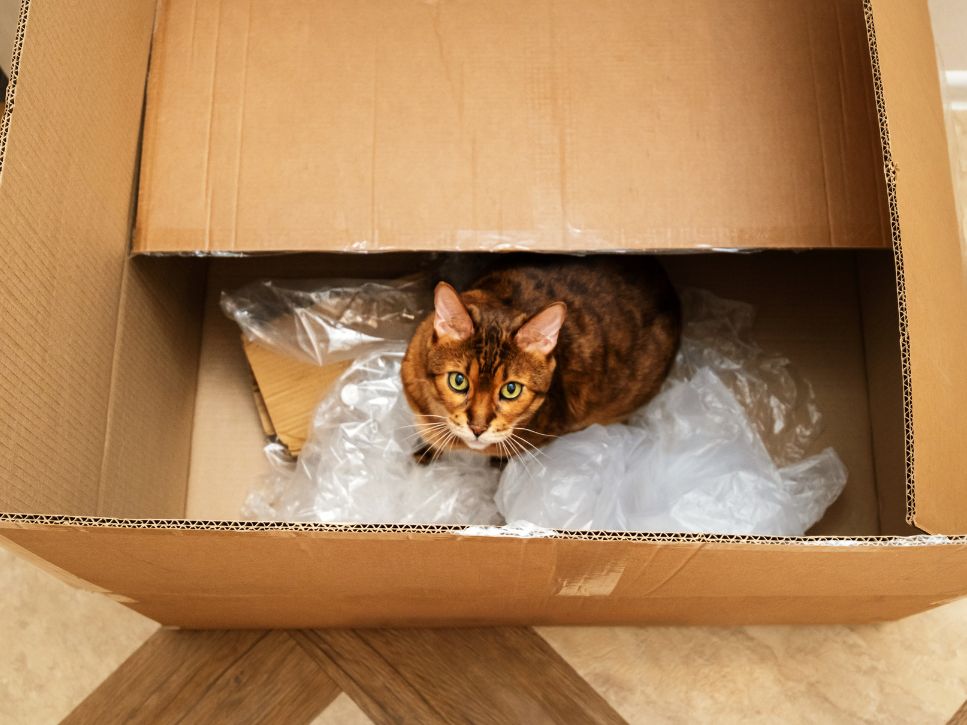
Be aware, however, that under Quebec law, an RPA operator has the right to ban animals in their building rules. The only exception recognized by the TAL involves service animals or emotional support animals, which require a formal medical certificate proving the animal is absolutely necessary to alleviate a psychological condition or physical disability.
How to Ensure a Smooth Moving Day
Coordinate logistics well in advance with the RPA management (elevator access, parking spaces) and pack a dedicated 24-hour essentials bag to keep your loved one calm, organized, and comfortable.
Fine-Tuning Moving Day Logistics
Moving day can be physically exhausting and mentally draining, particularly for a senior seeing their lifelong environment packed away. For the caregiver, syncing up with the RPA’s administrative team is the best way to avoid chaos. A few days before the move, reserve a timeslot for the freight elevator if the unit is upstairs, confirm the parking zone for the moving truck, and ensure a staff member will be ready to welcome you.

If you choose to hire professionals, verify that the moving company is fully insured with liability coverage. Our trusted Quebec partner MovingWaldo can help you quickly compare quotes from reliable local movers, while allowing you to handle all change-of-address notifications (RAMQ, Hydro-Québec, Revenu Québec, Canada Post) in just a few clicks.
Setting Up a Familiar Space Right Away
The best strategy for reducing a parent's anxiety is to keep them away from the noise and clutter of unpacking. While the movers unpack the heavy furniture, arrange for a family member to take the senior out for a quiet lunch or a walk.
Keep an essentials bag close at hand containing:
- An up-to-date medication list and prescriptions.
- Official identification and documents (RAMQ card, copies of the lease).
- Mobility aids (canes, walkers, hearing aid batteries).
- Comfortable spare clothes and personal toiletries.
As soon as the main furniture is placed, prioritize setting up the bedroom and living room with your parent’s favorite items: family photos in plain view, familiar bedside lamps that cast a warm glow, and their favorite blankets. By instantly surrounding them with familiar visual and emotional landmarks, you help them feel safe, grounded, and truly at home from their very first night.
On the Road to Your New Home
Are you looking to find the ideal residence to step into this next chapter with complete peace of mind?
Choosing a new living environment should never mean compromising on your independence or comfort. This major move should serve as a launchpad toward a more peaceful, secure, and socially engaging lifestyle, not a source of logistical headaches or emotional stress for you and your family. Choosing the ideal RPA in Quebec means targeting the perfect community that respects your lifestyle, whether that means welcoming your beloved pet, freeing you from daily chores with an all-inclusive meal plan, or offering specialized care tailored to your reality.
To efficiently compare senior living options in your area, confirm building criteria, or decode lease inclusions without spending hours researching, you can count on our team.
The advisors at Bonjour Résidences provide warm, objective, and entirely free assistance. We take the time to handle the legwork with the facilities, ensuring we only recommend communities that align perfectly with your priorities, needs, and budget.
Contact us today at 1 (844) 918-1020 or online to find the residence that will allow you to make this transition with confidence and keep your well-being front and center.