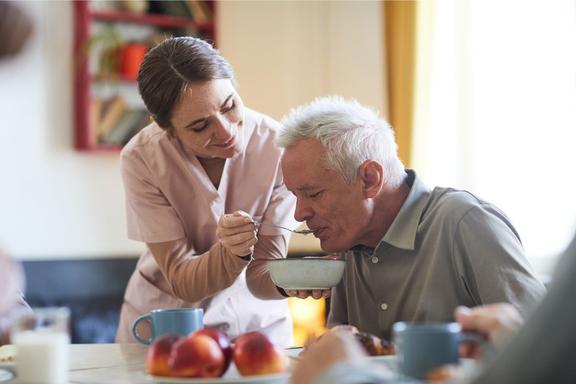
Navigating the transition to retirement or supporting an aging parent brings up many practical, emotional, and financial questions. In Quebec, the acronym "RPA" is at the very heart of the senior housing landscape. For caregivers and families, understanding how these establishments operate through real-life scenarios is essential to making an informed decision backed by recognized expertise.
A Private Seniors’ Residence (known locally as an RPA, or résidence privée pour aînés) is a certified rental housing complex regulated by the Ministry of Health and Social Services (MSSS). This unique Quebec model combines private apartment living with various on-site support services, security, meals, and healthcare. Because each RPA operates independently, the specific services and care options vary greatly from one property to another based on their government certification.
If you are currently searching for a private seniors' residence, feel free to browse our complete directory of RPAs in Quebec to find the perfect living environment tailored to your specific needs.
Who is Life in a Private Seniors’ Residence Best Suited For?
Private seniors' residences cater to a wide range of lifestyles, from active retirees looking to simplify their daily routine to residents with complex medical or cognitive needs.
The decision to move into an RPA is almost always triggered by a change in life circumstances or health. Depending on the specialization of the chosen community, housing options can address several key realities:
Overcoming Isolation (Independent Living): After the loss of a spouse or the reduction of a social circle, isolation can easily set in. An RPA offers a vibrant, secure community environment for active retirees.
The Burden of Home Maintenance (Independent Living): Mowing the lawn, shoveling snow, or maintaining a large suburban house can become physically exhausting and overwhelming.
The Need for Scalable Support (Semi-Autonomous Living): When lower energy levels or mobility issues make daily tasks more challenging, many residences offer progressive, flexible care plans.
Navigating Cognitive Decline (Memory Care Units): The onset of wandering or disorientation related to Alzheimer’s disease requires a secure environment (such as secure memory care wings) that families can no longer safely manage at home.
Short-Term and Respite Stays: Following a knee or hip replacement, a senior may require temporary accommodation and convalescent care to regain their strength before returning home.
What Services Are Included or Available A La Carte in an RPA?
Designed to bridge the gap in autonomy or completely eliminate the mental load of household chores, services in private seniors' residences adapt to the actual needs of each tenant.
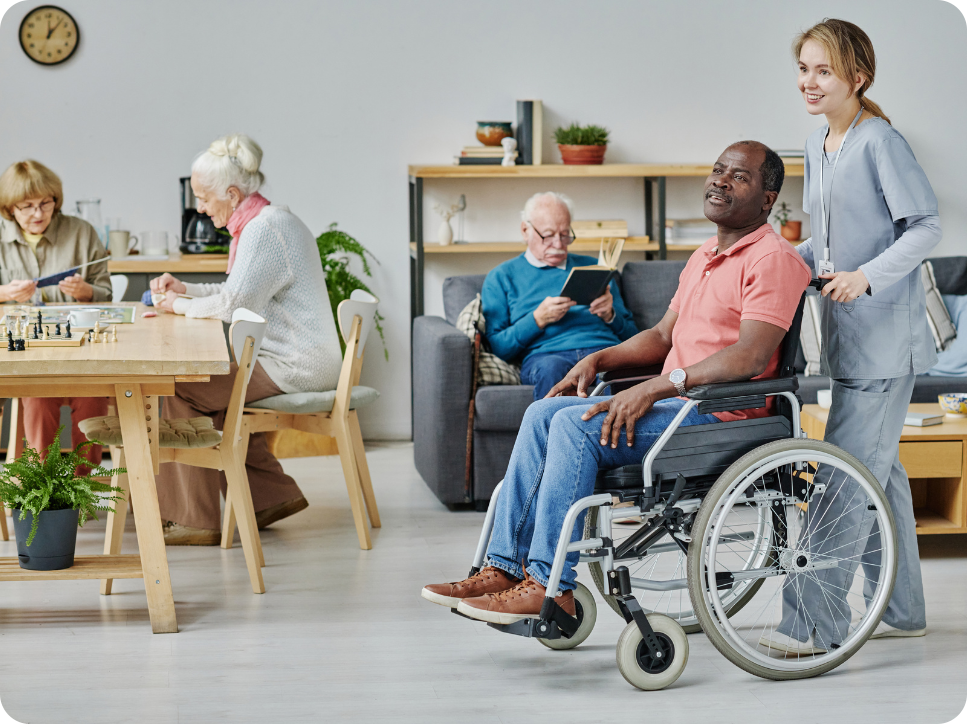
The amenities offered by a residence depend entirely on the official lease agreement and the options selected. They are designed to meet very specific daily needs:
Nutrition and Healthy Dining: Cooking for one person can often feel discouraging, which can lead to malnutrition among seniors. Furthermore, specific health conditions require strict diets. Many RPAs offer flexible plans ranging from 1 to 3 meals a day prepared by a chef. Depending on the community, menus can be adapted to specific diets (puréed, celiac, gluten-free, or lactose-free).
Housekeeping and Domestic Assistance: Arthritis or chronic pain can make vacuuming, changing bed linens, or doing laundry physically painful or even hazardous due to fall risks. Most residences offer weekly or daily housekeeping alongside professional laundry services for clothing and bedding.
On-Site Conveniences and Support: Giving up a driver's license or dealing with icy winter sidewalks can restrict access to basic errands. Many larger communities feature an on-site hair salon, convenience store, or pharmacy. Shuttle services for grocery shopping and assistance filling out government administrative forms are also frequently available.
What Kinds of Activities and Social Programs Are Offered?
Recreational programming in senior communities is designed to maintain cognitive health, encourage supervised physical activity, and foster a strong sense of community.

Access to structured activities fulfills a vital psychological and medical need to stay active, delaying cognitive and physical decline. Depending on the on-site facilities of each specific RPA, residents may have access to:
Physical Fitness and Fall Prevention: To counter muscle loss, many properties offer tailored fitness amenities like indoor saltwater or outdoor pools, fitness rooms, yoga classes, and fall prevention workshops.
Cognitive Stimulation: Woodworking shops, art classes, well-stocked libraries, and memory games are often organized to keep the mind sharp.
Social Connections and Events: Community events like bingo, bridge tournaments, choirs, and themed holiday dinners allow new residents to quickly build meaningful friendships.
How Do Healthcare and Security Work in a Private Seniors’ Residence?
On-site medical care and 24/7 monitoring provide peace of mind, directly addressing safety concerns and medication management.
Safety is frequently the catalyst for a senior housing search, especially for caregivers worried about a parent living alone at night. Healthcare services (often offered à la carte) address critical situations:
Medication Management: Managing multiple prescriptions throughout the day can become confusing, increasing the risk of missed doses or accidental overmedication. The solution: Trained staff or licensed practical nurses (LPNs) at the RPA can take full charge of distributing and administering medications.
Physical Safety and Fall Prevention: A fall during the night with no way to call for help is a family's ultimate fear. The solution: Private seniors' residences feature 24/7 security staff, emergency call systems, and on-site supervisors to guarantee a rapid response.
Assistance with Daily Living (ADLs): When personal hygiene tasks become too difficult to manage independently, dedicated care aides can provide respectful assistance with bathing, dressing, grooming, transfers, and incontinence care. Many properties also feature an on-site health office, occasionally linked directly to local CLSC home-care services.
What is the Average Cost of an RPA and What Financial Aid is Available?
The monthly cost of a private seniors' residence is influenced by its geographic location and the level of care required, but major provincial programs help make senior housing more affordable in Quebec.
The budget required for an RPA apartment depends heavily on the specific inclusions written into the lease. In Quebec, average pricing varies significantly by region, with major urban centers generally commanding higher rates than rural areas.
Fortunately, the Government of Quebec provides major fiscal measures to support seniors' housing:
The Home Care Tax Credit (Independent Living Tax Credit): Managed by Revenu Québec, this program refunds a significant percentage of eligible expenses related to support services and care received within an RPA, substantially reducing the net monthly cost.
The Shelter Allowance Program (Allocation au logement): A monthly financial aid program designed for low-income households, which helps stabilize the housing budget for eligible renters in an RPA.
How Do You Find the Right Residence for Your Specific Needs?
Because every private seniors' residence has its own unique layout, pricing grid, and community rules (such as pet-friendly policies or wheelchair accessibility), navigating the selection process can be overwhelming.
The team at Bonjour Résidences offers compassionate, professional, and entirely free guidance. Our advisors will analyze your situation, verify vacancies in your preferred region, and guide you directly toward the ideal living environment for your current and future needs.
Contact us today at 1 (844) 918-1020 or visit our online platform to plan your transition with complete peace of mind.